


Guest appearance
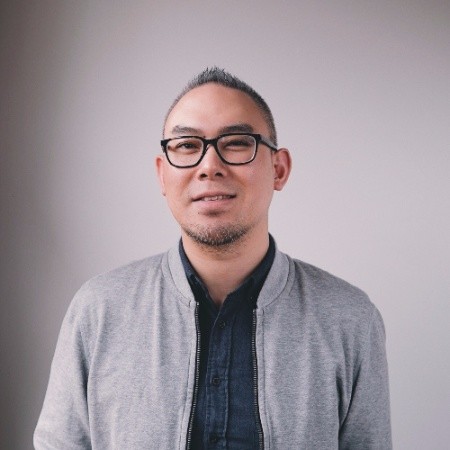
Dominic Wong is the Managing Director at Invoke, a digital consultancy, bringing over 20 years of experience as a multi-disciplinary product designer.
Footnotes
Episode transcript
Dominic Wong 00:00
Back in the day, Hootsuite caught the social wave as it was happening, or maybe like right before as it was happening. And so, there was a bit of that mindset of thinking, are we, as a company, or as a group going to keep doing that? Because in your mind, like, well, do we catch this wave? Do we catch this trend? And ultimately, it was still just a passing trend, right?But social is a big one, and obviously, everybody won't disagree that, like AI, agentics, like machine learning, that's a big one too, right? So it's just about, you know, are you thinking about the right ideas to harness that and go forward with that? And it is challenging. Like, is that a good thing or a bad thing in moving forward your company that way?
Mo Dhaliwal 00:51
Welcome to High Agency, igniting conversations with inspiring people, leading transformative change. Research discovered something that should have been obvious. Companies that excel at design grow revenues at nearly twice the rate of their peers. Yet, most business leaders still treat design as decoration rather than strategy.And that's leaving money on the table, not because the product or business doesn't work, but because they don't understand how design actually creates value. Design teams are capable of so much more than shifting pixels. When properly empowered, designers can own outcomes. But it's still the rare few product designers who started their careers maybe making beautiful apps that are now sitting in the boardrooms defending retention metrics. And agencies that once handed over finished products and walked away are now actually embedding themselves as fractional product teams that are co-owning a business and product roadmap for years. And this sort of deep immersion, this deep partnership, is important for any organization that's truly interested in leveraging design for business growth. Like, after all, we're not just designing screens for humans anymore. We're designing behaviours for systems that talk to each other, right? We're in the reality where AI agents are becoming the power users that are moving data and delivering these insights. So there's this collision of craft and commerce of pixels and P&L statements, and it requires a rare breed of practitioner who can translate between these worlds. It's someone who's lived through the entire evolution from web design to product strategy. Today's guest, Dominic Wong is Managing Director at Invoke. And he spent two decades at that intersection. Dominic is a multidisciplinary product designer with over 20 years of experience. And today he's the managing director of Invoke, a digital product agency where he's collaborated with global brands, startups, and founders to create compelling digital product experiences from discovery all the way through to launch. And his expertise spans interaction design, UX UI, complete product lifecycle management. And now he's known for connecting teams, wrestling with processes, and honing business visions to connect his clients with real users. Dominic, welcome.
Dominic Wong 03:23
Thank you for having me.
Mo Dhaliwal 03:25
I'm really looking forward to this because, well, a couple of reasons. One, in the Vancouver community especially, Invoke's been a pretty legendary agency for years. And I'm going to bring this up both because I think it's apt, but I'm going to preface it with a bit of an apology because I feel like you probably get saddled with this quite a bit. But not to sound like too much of a fanboy, but oh my God, Invoke built Hootsuite 20 years ago or whatever that was or 10, 15 years ago. But that was what Invoke was really known for. And so there's a positive to that, which is pretty incredible, which is that there was this incredible world changing part of that that came out of this cool design shop in Vancouver. But then there's the other side of that, which is that you're typecast as the Hootsuite agency, maybe not as well broadly known for all of the amazing work that Invoke has done in many other spaces. Is Invoke still dealing with this sort of being in the shadow of the gorilla type thing?
Dominic Wong 04:32
A little bit. Yeah, Invoke has gone through a lot of different identity shifts from like, you know, the creators of Hootsuite to end-to-end, full-service agency, media agency, to incubator labs, to back-to-full-service agency, and it struggled a lot with that. And I think that, you know, the coupling with the story of Hootsuite or like being in the shadows of the story of Hootsuite made it difficult to really understand what that company or what the team was really focused on. So that comes up a lot.
Mo Dhaliwal 05:17
Still?
Dominic Wong 05:17
It still comes up a lot. Honestly, a lot of people just think we're Hootsuite. And, you know, I think it gives a, you know, I like to see the positive in that being, it gives us a chance to correct, but also help people understand and be reminded of, oh yeah, like you're, you're a different entity, you know, like you're, this is what you do. And, and it's still, there's still a theme of it to say, you know, my goal in running Invoke these past few years is to bring that same essence thinking mindset process of the building Hootsuites and the building companies forward towards brands, you know, founders, early stage startups, and just take that same rigor forward. Yeah.
Mo Dhaliwal 06:04
Yeah, I mean, and that's why I kind of prefaced it with a bit of an apology because, you know, long before we'd even met, I'd hear about Invoke or, you know, a company would be in the media and immediately right after there'd be like this mention of, you know, the creators of Hootsuite. And I felt some pain on your behalf, because, you know, as somebody trying to lead an agency myself, I'm like, oh, man, like, as cool as that is, like, how much would it suck to just constantly have to be like, well, you know, Hootsuite, yeah, it's a cool product.But, you know, what we're here to talk about today is the stuff we're doing now. So it was, you know, looking to me anyways, like, it might be a bit of a, you know, a ball and chain as much as it is like a launch pad.
Dominic Wong 06:40
Yeah, so much so. I think last year or two years ago, there was a news article about something that we spun out. And to our surprise, the entire article, probably 90% of that article talked about Invoke Hootsuite and Ryan Holmes. I remember Ryan calling me. He's like, why are they talking about me? And so it just comes back to this.I think people want to come back to that origination of all that. But it makes it difficult to, especially in this locale, in Vancouver here, to break out of that. But I think with global brands, the US, Europe, Asia, it's easier to use that as a way to introduce ourselves because then people get a sense of who you are, especially for a team this small.
Mo Dhaliwal 07:34
Yeah, I mean, honestly, in this business environment, maybe we can't necessarily blame people for having such a cemented vision of just having the Hootsuite logo burned into your retinas because it was a social product when social products were rare. It was a singular platform that didn't exist at a time when we weren't even thinking of using social media in those ways and had such a pivotal role in the Arab Spring. And people will forget this, right, of what a massive tool it was for social change.And so, you know, for Vancouverites, myself as well, it's, you become fans of, you know, your local, your hometown heroes, and you want to re-associate with those stories because it feels like it's going to happen.
Dominic Wong 08:16
internally we've said a few times back in the day Hootsuite caught the social wave as it was happening or maybe like right before as it was happening and so there was a bit of that mindset of thinking are we as a company or as a group going to keep doing that you know and you know as we think about successes and failures like one of the you know burns is just when the whole Web3 crypto things started out doing right those in your mind like well do we catch this wave do we catch this trend and ultimately it was still just a passing trend right but social is a big one and obviously everybody won't disagree that like AI agentics like machine learning that's a big one too right so it's just about you know are you thinking about the right ideas to harness that and go forward with that and it is challenging like is that a good thing or a bad thing in moving forward your company that way.
Mo Dhaliwal 09:18
I mean, it was interesting hearing you kind of talk about Invoke's trajectory, because Invoke has had an interesting trajectory, and in many ways, even though, you know, Hootsuite, the connection's kind of tangential, not as relevant to your sort of future, but at the same time, it's kind of going back to your roots, though, right? Because, you know, Invoke built an awesome product, and then did a whole bunch of shit in between, and, you know, a variety of different sorts of things, and now is back to building awesome products.
Dominic Wong 09:44
Right. That really was kind of my pitch to the original founders.When I took over, or when I went into the seat, I just said, you know, I am still learning to be a company leader or an operator. But if you're thinking about a vision, all the pieces that are in front of us speak to us as like the builders of things. And it really takes us back to like, I've kept using the term like our core DNA is in building products or helping companies start up. And so, you know, from an identity side that still gets confusing as people think, oh, are you venture? Are you like, like, do you invest in companies too? And so there's a lot of mixed narratives because of the history of Invoke and the legacy of Invoke. But, you know, my job is to help everybody focus on what we do now, what we're good at now, and also how we're envisioning what the world might be like or what products might be like in the future too. And to, you know, spot the trends that are existing in the moment.
Mo Dhaliwal 11:03
Personally, you've had some interesting connections with the agency as well because you were involved and then not involved and then really involved and then leading the agency and now learning that you were the one to sort of nudge the ownership and the direction of saying, okay, let's get back to this core DNA, but what was it like for you when you first joined the team years ago and then left and then came back?
Dominic Wong 11:28
Yeah, I was, I was reflecting on that. I mean, I first got hired by the three guys, um, as an IC, right? Like I was brought in as a designer UX wasn't even a thing. Like that was when the iPhone first iPhone came out. Like when I, when I first joined invoke, um, but you know, I loved the intro that you started with because nowadays it's different, but when back 15, 20 years ago, Design needed championing and a lot of people didn't know what that looked like.And so, you know, yes, I focused in doing my job and, and there was a lot to, there was a lot going on to understand UX customer experience, interactions, touch points, strategic design, and, um, instead of just pure execution. And so, um, I was focused on a lot of the, the doing, but I also saw that invoke was a place, um, where we needed to champion the user at the end, you know, user centered design, um, is so common now, but people still need it. There's so many like junky products out there. Um, and back then we really needed to double down on that because if that experience was not good, then the people that we're designing for, like, how will they feel satisfied or how will the users feel satisfied at one point? We used a term of like, you know, like for the users, by the users or from the users, right? Like, and so that also stretched out a lot of like the early design discovery and, and whatnot to that too. And that was a big shift for Invoke because Invoke was always a like scrappy, let's do it, let's sort it out. Very typical agency. Um, but when I, during that time, it was really like, okay, how can design show up stronger or design and strategy shop stronger? So.
Mo Dhaliwal 13:32
I mean, I would argue that, um, I mean, yes, things have definitely changed. Um, you, you mentioned that, you know, um, 15 plus years ago that design needed championing. Um, I actually think design still needs championing, um, because like, I'm sure we could sit here for hours and, uh, share, you know, uh, war stories with clients, but I think the era that we're in and actually have been for years is that everybody wants good design. Nobody wants the process to get there.
Dominic Wong 14:00
Yeah.
Mo Dhaliwal 14:01
And those two things are like fundamentally kind of like, what is an outcome of the other, right? And if I could share the number of times that we started the workshop with the client and it was just like, Oh my God, it's a waste of time. And, you know, we already told you and you know, here's all the data. I just, just take it and do the thing. So it's like, you want the fruit, right? But no interest in the soil and the tree and the plant and growing, but you know, the, the outcome, right? Um, and do you still run into that challenge of, of, of needing to maybe educate on the design side of what it actually means to arrive at good design?
Dominic Wong 14:36
Um, short answer is yes. Um, it is still a challenging process, especially with the tools that are out here today, you know, you go on threads, you go on X, you go on hacker news. There's always something to make all of that faster to get to the outcome faster. But people are finding that it's still incomplete and it's still unfulfilled.And so in championing this, we have to be, I found that like nowadays we have to be way more flexible, understanding what are really true needs and how do we find ways to really triage that and then find like an anchor or foundation to what does this, what do you want that end result and end experience to be like? And those are those kind of design non-negotiables or design pillars. Um, one of our large largest, like, you know, global brands that we work with. Um, oftentimes we have to go back to the design pillars or the interaction pillars, because that becomes the anchor towards a lot of the design decisions that you make, otherwise you become, you know, designing via committee or designing via, like this startup is doing this, this product is doing this. We got to do this. You're just trying to, um, get comparative and get to that place. But, um, it has been a struggle. Um, and there's a lot of people who come to us and just be like, well, you're the experts too. So you're able to probably whip this up pretty fast, right? And, uh, we have to press on the process because at the end of the day, we also try to say that those artifacts along the way are just as important as the end result, because those become anchors, validators, affirmators to what you do at the very end.
Mo Dhaliwal 16:43
I'm just realizing, um, I would kind of delve into the design conversation, uh, almost with the assumption that everybody can and should know what that is. Uh, but maybe, maybe let's go to that for a second of, you know, just from a completely like definitional perspective, like what is design? Like what is, what is good design? How do you, how do you get there? The, the process that you're pressing on, like what are you after?
Dominic Wong 17:06
I mean, obviously there's a lot of different perspectives to that question. I always truly believe good design is achieved when it gives its value to the user and its expectations. I think we are now seeing design in a way of good design is invisible or good design is like speed to value for you, you know, like with the GPTs or the Ubers, you know, and design should be frictionless, you know, and I think a lot of people don't realize that good design actually creates the seamlessness and the frictionless to your goals, you know, your pains and your objectives. And if you don't have that, then it's going to be a real struggle to get there.But design can be opened in a lot of different ways, right? I know maybe if we backtrack, my history has been in a lot of like traditional art, but, you know, I went to Simon Fraser, the SEAT program, amazing program that built up a lot of like interaction designers and it was like very generalized. So we looked at what does interaction look like from an architecture standpoint, from a space planning standpoint, from a like city planning standpoint, from a actual industrial product standpoint. So you think about things like affordances, usability, like invitation, and those things are all pieces that contribute to what good design is. And a lot of people, not a lot of people, sorry, I'm generalizing, but there's always an assumption that you can get to it quick. And that's the kind of frustration I have with how quickly tools and, you know, technology has like ran, that they think that this can just be like good design can just be achieved like instantaneously. And there's a lot of understanding and empathy that needs to be run through to be able to have good design.
Mo Dhaliwal 19:37
Yeah, I think that conversation is getting pretty convoluted because, you know, with lab coding and the rest of it, um, people are now able to generate things that look polished, right? Because, you know, just not too long ago to get that level of polish, you would have had to have gone through a lot of process, a lot of revision, a lot of refinement to arrive there.And so we have these tools now that signal that, that level of polish and that's being equated to like good design, but you start using them and very quickly they're breaking down because things haven't been thought through. And, um, you know, like one of my favorite tools to use these days is, um, is ClickUp, right? Project on I guess. Yeah. And it's, it's pretty crazy complex. There's a lot going on there and I think we took a bet on it, um, at a time when it was growing rapidly, um, you know, brought a couple of, you know, different things together, but seemingly good product. And I was like, okay, it's a little messy. Parts of the interface are just batshit crazy. Uh, but we're going to bet on it because the value that we get out of it is that, um, you know, it's bringing our work and documentation around the work, like, you know, work management in one place. So, okay, we're going to deal with the pain because the consolidation is there. Um, but to their credit, um, I think they've been responding really well to a lot of feedback and have great channels set up for that refinement because the UI is now getting to a place where it's like, Oh, it feels simple. Um, actually, right. There's a ton of buried complexity, but parts of it feel delightful and parts of it have been organized in a way that, you know, I wouldn't have known to ask for it. But now that I see it, I'm like, aha, of course. Right. Um, it's becoming more and more self-evident. Um, but yeah, it was, it was, you know, pretty messy two years ago, right? Um, but you can see that there's, you know, massive investment going into UI. Obviously a lot into thinking about, you know, how even philosophically, how are people using these tools? How is it showing up to add value for them? Um, and then that investment is showing up. Right. Um, and it's happening in real time almost.
Dominic Wong 21:31
Yeah, I mean, you're talking about bets and, you know, a thought that came to mind is just, you know, back to design, good design. The complicated part about this nowadays and digital products is there's so much conflict with what the business needs, right? Like everybody's getting three times the ads now. You're getting, you know, UX dark patterns that don't let you cancel your subscriptions. And I think that like everybody's kind of as a designer or as people who value design, you're kind of always going to have to make a judgment call on what's best.Like are you doing this for, you know, the KPIs and the revenue generation? Are you doing this for the, you know, the delight and usefulness of the users? Right. I still follow a couple of these threads where people are like thinking about nostalgia products, RDO back in the day path, all these old products where it wasn't littered with like, you know, ads, paywalls, gates, all that stuff. And it was just like pure good UX, pure good like design experiences. And at the end of the day, like that paved the way for so many other experiences that came about. Like I know Airbnb now has, you know, it's very cluttered and it's really messy. But back in the day, that was kind of like the standard where people are like, just wanted to be like Airbnb or like Uber, right?
Mo Dhaliwal 23:06
So why was design a good fit for you? Like you're, you're passionate about it to the point of actually wanting to run a whole team and a company that is focused on product design.Um, but you know, it's, um, it's not for the faint of heart and there's a lot of, it's a world filled with frustration and tension, uh, because good design requires that, um, but why, why was it a fit for you?
Dominic Wong 23:32
Yeah, I mean, a little bit of background, you know, before I started at Invoke, I went to a lot of these, um, kind of big agencies, marketing agencies, the huge gherko mass rethink, thinking like, Oh, I'm going to be a creative director. And then, and then once I started doing some work with Invoke, um, and then I was contracting with another group, but it was all varied, like usability, functional UX. And that's where I felt like those things mattered because I'm not creating fluffy campaigns that, like I said last time with you, it was like fluffy campaigns that you spend months on and then it gets trashed after two weeks.Disposable. Yeah. Like I want to see longevity out of that. And that should be designed too. When, you know, when, um, we took a field school during university in Italy, we saw, well, why are things expensive? Because they last forever. They're meant to last forever. Um, and that's why I wanted to do more of the digital product side of things. And then secondly, I think the UX empathy side solutioning for and working with those users is very rewarding, right? Like it's validating. You get to challenge each other. I'm never going to be a subject matter expert of, you know, your space, but for us to collaborate on that is like a pretty incredible opportunity to have as opposed to you just saying, Dom, like build me this thing, you know? Um, and I think that's helped me to open my mind to different industries, different problems. And you can see that a lot of there's a lot of themes patterns out there, right? Um, whether it be sales intelligence or, uh, certain workflow automations that could apply across different industries. So that's kind of why I've taken to liking that path. And ultimately at the core, I feel like I'm still like a builder. Like that's, that's just my, that's what, you know, helps me feel like I'm sharpening myself to that, especially with the tools these days, right?
Mo Dhaliwal 25:57
Um, I mean, is there any part of you that likes arguing? Cause I feel like to be a good designer, um, I mean, the best ones I've worked with, um, had, had a bit of fight to them, right?Um, you know, the, um, the amount of research and work and thinking that would go into what they, what they designed, what they created, uh, the ones that had some fight to them that wasn't just born out of like ego, like it's my design and therefore this is the best, but it was actually like, this is the right thing for you to do and hearing why. Um, but, but do you think there was a part of you that, that likes the fight?
Dominic Wong 26:29
There's got to be a balance. I don't like to fight, but I'd like to, I'm a person who likes to find the best consensus that leads to the best result and not like, not like general consensus.Not designed by committee. Yeah, yeah, but find the right proof points for us to choose the best option. Um, but I, I'm learning to make sure that if there are things that I am convicted about, um, with regards to design style, what I've seen, then I should be, you know, putting my foot down on that. Um, I think the, I think the scary part of that is just, you never know what kind of side other people are going to give when you start fighting, right? That's, that's probably why I said kind of semantically, I wouldn't fight, but I would offer perspectives to help understand that. It's kind of like art of persuasion type of situation. Yeah.
Mo Dhaliwal 27:33
Yeah, I mean, I think it's interesting in your role because I'm sure there was a time when you were the designer trying to serve not just clients and their needs, but actually the leadership that you're working with and then to kind of sit on the other side of the table and be the leadership that is now demanding something of the designers. So I mean, do you find yourself in more situations now where you're needing to challenge people and kind of see the other side of the world or did you always see it?
Dominic Wong 28:01
No, I do think the challenge hits both ways. I think the leadership styles that I've taken on or I've tried to describe is really around like, you know, we probably both know things because of our life experiences. And so it's important to experiment on those, but I always kind of paint it as like a sandbox. The sandbox are non-negotiables. I must see this because of the failures, because of the successes.And then here, go wild. I want to see you go out of your limb to give an opinion, to experiment and put something out there, but know that we're going to probably correct each other. And I think that if we don't, then that's also a flag too. Are we just like blissfully going forward? We have to figure out if there's areas that we can really critically improve on and speak out to each other. So, you know, I've grown design teams. Now I'm leading like a full team of everybody at Invoke. And there's always a notion of like, everybody's an adult. You got to trust that everybody can make the right decisions. But I think that if you you've just got to also be prepared of, is that the right decision towards the types of situations and scenarios that you hit, whether it be design or whether it be client management or whether it be, you know, collaborating with your team members and stuff.
Mo Dhaliwal 29:41
How has the culture of design changed, like in the last 15 years, let's say, has there been a shift? Is it people just, as they say, the more things change, the more they stay the same, or have you noticed a difference in how people collaborate, talk, challenge each other, how they maintain that creative tension?
Dominic Wong 30:05
There's a big part of it that's stayed the same, um, where every designer is trying to support, um, each other and, uh, find creative outlets because sometimes obviously work is work and it could be mind numbing. Um, I value everybody who has their side hustles or are able to show me that they're creating something with a new tool or trying out the latest, you know, uh, latest models.Uh, but I think that data has changed a lot. There's always been the back and forth of how does data affect design, design decisions, design choices, how does analytics affect that? And then the second conversation that comes up every like two, three years is should designers code, you know, like should designers also be developers and I think that you hit on something in the, in either in the intro or at the beginning is designers are meant to be this like kind of translator or like facilitator of a lot of these different groups. Um, I know that a lot of that might also sit within people who are core like strategy folks, but if design is not strategic or not thoughtful, then all you're doing is pixel pushing. All you're doing is like mindlessly executing. And so at least to me, the trends that keep coming back and forth are really about like, are you just be, are you being a mindful and aware designer of everything that's going on? I still have friends who are just, I'm happy with UX or UX research. And that's all I'm going to do. But if you are looking to expand on your design, like thinking, then you've also got to understand all the other factors at play, like at invoke, we encourage a lot of our designers to collaborate with our engineers or with our clients because it forces them to learn a different language, learn a different mechanic, and consider that as part of their like, you know, design solutioning.
Mo Dhaliwal 32:34
And so what has talent development been like then? Because we started the conversation at Hootsuite and one thing that I'm sometimes conscious of as well is companies go through transitions, right?And obviously not the same company that was around then, there's some DNA that's carried through. But in the designers that you hire, that you work with, what does mentorship look like now, especially in a space where it's so fragmented and on the one hand design is more important than ever because of how much has been enabled through technology yet. I think there's a growing delta and appreciation of what that actually takes because we want everything yesterday or instantly. So what does it mean to be actually like mentoring or developing talent today?
Dominic Wong 33:21
I'd like to think of an analogy like what comes into my mind visually is you know the whole apprentice protege apprentice situation or like the sushi chefs who like stick together the woodworkers you know and I've always believed that being able to do something together and practice together makes you stronger and that's a good way of mentoring right like you're able to observe and I think you know quick take is we've lost a lot of that because of hybrid remote culture um you get a ton of that when you're actually in a room together when you're collaborating when you're on a whiteboard um and secondly I think that like the vehicle for mentorship at least for me is the work right like it's the work helps you have those conversations to you know prompt thinking struggles challenges um and to activate the thinking that's beyond just what's the ux of this or like how do we design this flow but instead it's like what do people actually need like what like you're asking more questions along the way and um my goal whenever you know I'm looking at mentorship is really like are you thinking about every single angle you know rather than just the like are you just accomplishing and taking off a box for design but yeah in short it's really the vehicle is the thing that we're doing together and from exposure from shadowing um that's been a pretty key those are a couple of key touch points that helped grew a lot of the designers that I worked with and that's what I'm the the most like things that I'm proud of I think back of my you know like career and um a lot of designers grew to now meta like the clios uh to think effects um and so it's like if we didn't have that time together and if we didn't get to collaborate together um we wouldn't be able to grow designers that way so yeah
Mo Dhaliwal 35:43
Yeah, and it really comes down to cultivating that thinking and creating environments where that thinking can happen. Um, like I'm very much a proponent of in-person everything, I think much to the chagrin of my team. Um, you know, we work remotely on Fridays because we got to record this thing. So that worked out.Um, but you know, I think we're also in this kind of period where because of the acceleration of AI, it really is the sort of, um, you know, separating the wheat from the shop sort of moment, because I'm not sure if you experienced this, but I think there was a long period where, um, it was like, if you knew the tools, you were a designer as opposed to, do you know how to think, right? Do you know what questions to ask, right? Yeah. And the, um, you know, I, I think for anybody that, you know, relied on, oh, well, you know, I'm really adept at the Adobe suite or I know Figman set out and it's like, you know, the tools, um, you know, and if that was the extent of your skillset, um, like I think for that part of the, the town pool, it's going to be a bloodbath. But for those that know how to think and can, you know, be coached on how to think and how to ask questions, um, they'll be good in any environment because the tools are going to keep changing, right? But the discernment is, is the human value they're bringing.
Dominic Wong 36:58
Yep. A hundred percent. That led me to a thought that I forgot to share. I, in that process of mentorship, I think a key part of that is also for us to have the dialogue of, this is where I feel I'm at. Do you feel that way?You know, rather, it's not annual reviews, but like, you know, at one point we did a little like, you know, video game spider diagram to be like, here are all your different skills. And if we like notch that out, like where do you think you sit? And where do I think you sit? And then what needs to happen to get to like an ideal state? And I think that with what you just said is right, where like you, you kind of need to have that honest conversation between the two. But secondly, I vividly remember there was a one designer that came to me and just said like, it looks like what you want to see out of me is way more of the soft skills than the hard skills. And I was like, that's absolutely right.I'm glad that you understand this. I don't care what tools you use to get there because in the past I've been criticized for that, which is dumb. I don't care what tools you use, but if you get to that solution and you have that mindset and thinking towards that, that means way more in your development. That means way more in your growth than being able to know like, I'm like a super proficient in Figma make and whatnot, you know, so that's what I've been very proud about where the teams are able to go across different tools and still start building that discernment.
Mo Dhaliwal 38:32
Yeah, I mean, I somewhat, I think, you know, condescendingly will like make these emotions. I'll be like, the era of doing this or wiggling a thing on screen is basically over. Yeah, so you have to think about, you know, what is the value that you're creating? Cause it's not that, like we're in the tail period of, you know, the typing on the thing and wiggling a cursor around.But if, if that was taken away from you, then, you know, what are you, what are you creating? What's your art?
Dominic Wong 39:00
Oh, a hundred percent. It's like a different breed too. I think back at the designers that I catch back up with and they're at these other companies and at the end of the day, they go, wow, you know what I learned the most out of being at Invoke is not even about the designing. It's about just the puppeteering and the managing of everything that goes on and making sure that you're aware of those details and really being thoughtful, pragmatic about that. And I'm like, that's great.A great designer or a good designer doesn't need to be fast or you don't need to be critiquing design every day, but if you're able to see it holistically and understand the relationship or the impacts that design has, you could take that further away because like you said, tools could go away instantly.
Mo Dhaliwal 39:59
So how much, how much design are you doing these days? Very little.
Dominic Wong 40:04
I long for it.
Mo Dhaliwal 40:05
for those, but it's interesting, right? It's, you know, you have someone that's highly skilled in our realm and anytime because of their skill set and their leadership in the area of practice, you know, quite often, you know, sometimes they're prompted, sometimes they naturally move towards being now in a realm of leadership of the business, right?Yeah. And that's a completely different skill set, right? So I've actually, I've wondered that about you because, you know, in the design experience side, you've got like some deep chops and carble experience and all of this, all these influences and intersections that, you know, give you this great perspective on how to build product, but leading business operation, you know, there's a whole other set of skills. So how much of that carried over, if any.
Dominic Wong 40:50
Yeah, I mean, it did carry over. Um, I think to the criticism of my team, I'll always find a way to get back into some form of design or strategy or strategic thinking.Um, but you know, with regards to like business operations, I just also have to see the reality or the shift of, yes, there is business operations, but like what we just talked about, it's like mindset. It's like, how do you solution and design in a way to get to a better state or like an ideal state to get out of your current state, um, to see something that is improved and so again, like, you know, whatever five years in operating invoke, I still don't know a lot of technicalities of it, but being a designer, I also know that like you can leverage people who have those as strengths, right? And, and then combine that with, you know, the mentorship abilities to, um, to grow and to encourage that and build that up. None of that has to be for me. Like I can't, I know I can't do everything.
Mo Dhaliwal 42:03
Because in design, you can still identify and plan for the gaps. A hundred percent.
Dominic Wong 42:07
I mean, to me, that comes all together, which is to facilitate and to pull together those types of strengths from other groups and other people and other skills. I'm starting to see more of that in the operation side.Obviously, this cliché, people said, you go from designing the work to designing the people to designing the company. And I'm starting to sit on the reality of that's what it is. And on the flip side, I'll see organizations, large enterprises where people can't delineate or discern, and they're stuck at this level. And as much as I do love this level, what's needed for the company and for the team is up here. So I've got to kind of remind myself and force myself to think of it under that lens. But I will say, on the flip side, on my free time, I'd love to still try to set up my own MCP server or still do a no-code site here and there because I do believe experimenting and exposing yourself to what's out there helps you be, again, more mindful about what's possible. Solutions can be many, but you've also got to know how to use the right tools to make that possible.
Mo Dhaliwal 43:45
What do you think interested you in design in the first place?
Dominic Wong 43:49
It just got, it just got, it just got there, but it's, I was always creative in nature. Like I said, traditional, you know, taking the program at SFU really helped change that mindset.Because then I saw myself as, this isn't just web design, this isn't just graphic design, even though I did all that. But it's about the design of like, life, everyday things, the experiences, and making all that possible too. I think the creative side is, I know that that's probably my strength. And when it comes down to, you know, the systems thinking, I know that that's one of my weaknesses. So then, you know, it's, I gravitated obviously towards more of like the creative, intuitive side of things. Because that's just, I know maybe in my character, that's just how I operate.
Mo Dhaliwal 44:51
Are you enjoying being managing director of Unbook? That was a long pause.
Dominic Wong 45:02
Yeah.
Mo Dhaliwal 45:05
The reason I ask that, because there's always struggles in business, but you've got such a specific and rich first love, and I think design is such an incredible outlet for people that have that deeply intentional sort of creativity, and so I think it's a tall order to take someone that's talented in a realm and say, okay, you're an amazing violinist and you make people weep every time the bow goes across the strings, but we really need you to run the theater and figure out how to get butts in seats. Maybe on some days it's like, well, I'd just love to pick up the violin.
Dominic Wong 45:48
I'll try to answer that openly. The part that I enjoy the most is being able to see change and see growth company-wise, the community and the networks that we make, the solutions and the things that we create and see longevity out of that.Obviously, the operational side is a churn and a struggle. Like you're always trying to make something new happen or trying to put out a gazillion fires that come about. Um, that's why having a network is and a trusted group of folks and advisors is important. Um, but I've learned to see that the, the connecting side of it is, um, is the most enjoyable part. Um, I've always also, I've always loved the autonomy that Invoke has given me to explore and not just me, but there have been several individuals who've made like horizontal moves because the company and the organization allowed for it. And they were better because of that.
Mo Dhaliwal 47:09
So, they were able to like, there's a freedom and latitude for people to come in and maybe find or at least experiment enough and explore to find their sort of zone of genius and move towards that. 100%.
Dominic Wong 47:22
Like, you know, to the violinist example, you might still be a very good violinist and maybe the running the theater might not necessarily work out, but let's say being in an environment allowed you to creatively, I don't know, work with props and decorations. And that was your activating moment.I think that at the end of the day, like, that's way more worth it, you know? And every, you know, no job or no role or no career comes without its, like, struggles. Everybody has to go through them, but, like, the benefits of that is that serendipitous or intentional or sometimes slow, long game of what does that growth mean. I honestly, like, you look at when I started Invoke, I would have never expected myself to be in this position now. There were times where I was like, I don't love it enough to stay. I don't hate enough to go, but I don't love being lukewarm about it either. And I think that maybe that heart also, you know, convicted me or propelled me into trying to shape Invoke in a way that brought us back to our DNA, but also created a culture that, you know, despite the goods and bads that a normal agency or a normal studio has, people stuck around. Retention rates are fantastic.And so it's something that I, like, am proud to see replicated, you know, in the people that are in our team or sometimes replicated within our clients. One story I've had is I often have this fear with some of our clients that we, I see this pattern, we've helped them unlock their innovation thinking or design thinking, so much so that they look at their organization and they're like, this isn't for me. And there they go.And then we lose a client contact. But at the end of the day, like, maybe at the heart of it, I feel proud that, like, you're still able to unlock that. Yeah, we unlock that. And if they're happier that way too, then great. The ROI is in that growth. Not necessarily like revenue or, you know, company ladder growth, but like they're able to kind of unlock that side of them.
Mo Dhaliwal 49:58
I mean, I've often felt that as well, and I think that's one thing we have in common is I also, it's not even like giving somebody the freedom of latitude because that feels like I'm bestowing something, but it's like to some extent at Skyrocket, you know, almost to survive just here, you need to have a little bit of entrepreneurial something, and if somebody is feeling passionate about an area, wants to learn, is getting super curious, like the last thing I would do is try to interrupt that in some way or try to contain them. And so some of the most gratifying moments for me have actually been like looking back on some of our staff members.And it was always the weird transitions where it wasn't like, okay, you know, somebody was junior and they really, really excelled. It was like, you know, we had an office coordinator, right? That was buying snacks and like refilling coffee and stuff, you know, got deeper and deeper and kept getting more and more curious about where things were going, right? It wasn't just like, oh, you know, I'm helping with accounts receivable and some billing. It was like, oh, who are these invoices? Who are the clients? How are we managing clients? What's going on with this? And just kept pulling and pulling and pulling. And like two years later, it leaves here as a certified Agile project manager and is like running, you know, like full on, you know, software teams, right? We had another one. Again, actually, maybe it's always been our office coordinators that are really kicking ass. Her as well, same thing, right? We came in, it was so mundane, right? It's like you're, you know, restocking the snacks and kind of like taking care of people. We got curious about like, oh, what is this? What's going on? And we're building what? With who? How do we build it? And, you know, a year and a half later is, you know, going to bootcamp and now works as a, you know, front-end developer. That's incredible. And, you know, in any of those instances, I think there's a lot of places where role and job description and, you know, a little bit of patting on the head and saying, oh, well, you know, just make sure you don't mess up your real job that you're here to do. But it was just fun actually watching, you know, these people flourish and then say, you know, I'm out of here because I've found directions like, great, go get it.
Dominic Wong 52:02
Yeah, there was, there was a point in time with Invoke where the company, the leadership felt like every time someone left, it was like a, it was a sad moment or it was a frustrating moment. And I know this isn't very like even jillistic of me talking about Invoke this way, but I've often said to the team, like, I don't see anybody being here at Invoke forever, but if Invoke becomes a strong vehicle for you to accomplish, to get to where you need to next, isn't that something worth celebrating because you've leveled up.Like the, how we failed you is if you didn't level up, you know, or even for the people that maybe weren't a good fit and, you know, like we've gone through that, even if they're not a good fit, ultimately they'll find their fit too. And so I've equated that towards like how we, you know, how people see themselves as Invoke too. Like, you know, being a small team, there's only so much you can kind of like shift around in terms of roles, but, but activating what they can really do across projects, across the team, across culture is, is that type of freedom that, you know, very few people nowadays understand as, as valuable.
Mo Dhaliwal 53:22
Yeah. And I think for anybody that's had, you know, a lot of corporate experience, sometimes too much is a problem as well.Yeah. You know, where, like, I remember hiring an account manager sometimes from large agencies thinking that we're going to be somehow benefiting from some wealth of experience or knowledge. But this loss of agency had been so beaten into them. Yeah. Right. And working in those environments, especially, that, you know, it just couldn't really foster that, that, you know, curiosity or exploration, or even feel the safety, frankly, of being able to try something or ask a question or go somewhere. So I think sometimes it's also functional, what your experiences have been, and like how frankly, traumatized you are by corporate life, and whether if somebody, you know, gives you the latitude, gives you a space to explore, whether you'll even take the invitation or know that it's safe enough to do so, right?Yeah, I think, you know, a lot of people will sometimes fall into the trap of being like, well, I'm here to do the thing. So I'm going to do that. And whatever I do next is just going to be like, you know, one foot, you know, in advance of that thing, but it wouldn't occur to them to think laterally, or to think laterally. Yeah.
Dominic Wong 54:29
It's funny, even before this, I was having a call with our tech director and machine learning guy, and we just said, a big avenue that you can activate on is, don't just tell us what you want to do, you can go do it. Sometimes people think that you need permission, sometimes people think you need authorization or budget, no. No, sometimes it's just like, go do it, and that means way more as a way to identify your top performers than seeing it through a project. Our encouragement in that conversation was just like, don't feel like you're restrained by us or by Invoke or by the organization.If we're seeking to be change makers is a big word, but if we're seeking to proceed and go forward in a certain direction, someone's got to do something, and you've got to prove that, even if it means failing. I think that in our size and in the types of projects that we do, failures are all part of it. I think if people are not comfortable with that, that's also kind of an indicator for us to say, hey, but maybe that's not a bright fit because those are all learning experiences for us to come back with because it's always going to happen.
Mo Dhaliwal 56:03
What's the, um, what's on the horizon? Um, I'm not going to mention the owl company again, uh, but that was, you know, uh, a runaway success for its time and you guys have worked with, uh, I think the NBA and like, uh, you know, in the past, yeah, and a variety of other realms, uh, on, on product design and some amazing work, um, but what's, what's next for you, like, what are you excited about what's coming up that, uh,
Dominic Wong 56:30
I'm always excited to take the zero to one mentality and work with corporate innovation teams or teams that just don't really have either the bandwidth or the activation to go do it. And that's always what excites me. And even though I'm managing director, I get to also sit in the room where we get to participate. So that's really what excites me.And obviously, AI comes into the fold. Every project that we have will always have some sort of AI machine learning component to it. But creating something out of nothing is always really exciting because it's an early exploration. There's chance and risk for failure. And for us to be real and immerse to those spaces. Yeah. I mean, that's kind of what's on the horizon. I think if we kind of go back to when we started, identity shifts are less hard shifts lately, year by year. It's been a lot of kind of like refinement and tweaking. So I'm really proud of that, where we've ended up as invoke. And then I think the biggest thing for me this year looking forward is just how do I or how do we really activate the team to kind of put that forward everywhere else? I think the toughest part for me in my role right now is I'm the person who will always kind of put myself out there regardless of success or failure to see what type of opportunities are available. And our team are a lot of builders. And I think if I reflect back on my journey, there was a time where I was just like this. All I'm doing is this. And I don't need to think about the community, the network. How do you edify, benefit everybody else that's around you? And I want to see that out of my team, out of the impact of that. So even last year when Web Summit was happening, we took a gamble to just do like a morning coffee and like a taco night, a taco happy hour for everyone. And my team got to see that our impacts are not just like the coded work that we do. But it's like the people that Yeah, yeah. And the people that we're surrounding ourselves with. Innovate West happened the year before. And I did a like, look, everybody's going to take shifts. You're going to have to learn how to talk about invoke. You're going to have to learn to talk about the projects that we did. And it was a pretty big, you know, eye opening experience for a few of them, because they were just all so used to this, right? Yeah. And I'm excited for people to learn about invoke, not just Hootsuite, you know, and invoke, you know, being the group and people and problem solvers that are out there looking at interesting solutions. So.
Mo Dhaliwal 59:49
Is there anything, I mean Hootsuite was an internal product actually for the agency, right? And that's where the script kind of got flipped because it just completely overshadowed everything that come before.But is there anything that you guys are building for yourselves or is it all just client work these days?
Dominic Wong 01:00:05
Yeah, there's two things to mention. We built a platform called Adopt-a-City, it's a citizen engagement platform that is right now adopted by City of Vancouver. So people who want to do Adopt-a-bench, Adopt-a-drain, whatnot, it just becomes more easy to complete and go through than, you know, calling the city, getting something ticked off and whatnot. So that's that.And then we've recently created a computer vision AI video intelligence tool called Chunks. So that gets activated with a lot of brands with large media libraries, long-form content, and to help them get their hypiest moments, best moments, but also just be smarter about categorizing and finding their content. So we're activating that towards, you know, groups like Vancouver Indigenous Fashion Week, Film Festival, PAX, Game Expo, you know, in the US, South by Southwest. So we're just starting to pilot a lot of that with festivals, brands, activations, that sort of thing. And it's exciting.That's like, you know, in talking about chunks, we learn about, we learn to refine our processes through also doing internal products. And I know that a lot of agencies try to and create, but again, like it's clients first and you lose out on that time. But, you know, there's a lot of growth that comes from that. And lastly, you know, as a company that builds digital products, we do a lot of building, but with chunks and Adopt-a-City, a big part of that in our learning is also distribution is important, put it going out to market is important. And I'll be honest, that's not our core skill, right? Not our core skill sets.And that means partnering up with people, experimenting, failing, and it's just a, it's a journey along the way. And I think that for us and our team to see that visibly shows that we're not just aiming to just be this like repetitive churn studio, but we're like committed to, you know, a product, a cause, an idea, and go through it and, you know, like take from our learnings too.
Mo Dhaliwal 01:02:47
Yeah, and that's the intentionality again, right? Not actually looking at the whole picture and saying, what is it going to take and how do we, you know, meet these gaps?
Dominic Wong 01:02:54
100%. We're not trying to catch the wave from back then in Hootsuite. We're also not trying to build another Hootsuite. That wasn't ever the intent.But I feel very proud that we're able to get internal products out still. Firstly, as the size of our team, but secondly, working with a lot of different clients, we also see a lot of problems that exist. You see patterns. Patterns, 100%. There's a lot of hype people these days online who just says it's a great time for builders because there's a lot of patterns and there's a lot of tools out there to help you accomplish those things.
Mo Dhaliwal 01:03:40
Yeah, this is fascinating actually, you know, it's like selfishly been really kind of illuminating because I've had so many questions about invoke for so long, because you know, very storied agency in Vancouver. And you kind of watch from a distance and wonder, right?Oh, they're doing this now, this is going on. And I wouldn't necessarily describe it as like a, you know, that cliche of the caterpillar becoming the butterfly that went through this transformation. Looking at invoke from the outside, now what you described in the story and the trajectory, it's, you know, it sounds to be a little bit more like even like, like molting, right? Have you had this, like this reptile? Yeah. Right. That is, you know, very, very acclimatized to its environment, but every so often has to go through a fairly deep sort of thing, it just sheds like all the skin and becomes kind of leaner and tighter and goes like that for a while and then, you know, goes through the molting process again, but that's, that's what your story kind of sounded like.
Dominic Wong 01:04:37
Yeah, I mean, like, you know, I think back about.
Mo Dhaliwal 01:04:40
because when you joined that was kind of almost like a period of shedding a little bit right to say let's let's focus in and shed a bunch of things and and move forward again.
Dominic Wong 01:04:48
Yeah, you know, in talking to other, you know, studio owners, operators, people like yourselves, relatively, we could be shedding a lot more too. There could be way more focus.It is challenging. You know, that's the thing I struggle with because like I see where strengths are, but you're right. Like there's, there's little shifts in us shedding and changing that up because A, you know, the, the economy and the, the world and business drives that too. And secondly, it's just trends that are out there, right? Like as soon as, you know, all the crypto, all the web three blockchain stuff came out, it's like, all right, we've got to be accustomed to this. As soon as AI and all that started, okay, we got to be accustomed to this. Right. Um, there's no way we can just stay the same. Right. Um, but I don't know, there's gotta be, I do understand that there's gotta be a case where we're not changing so much where we've got like ADHD and we're a totally different person, you know, and that's where being around that invoke for so long, seeing those gigantic shifts, like has at least given me conviction to not be so reactive to, you know, yeah, exactly. Because I can count four or five times, didn't work, you know? Um, and like, what is our core? We still stay true to our core, but still, you know, learn the new pieces that kind of attached to us. So that's.
Mo Dhaliwal 01:06:31
amazing anything anything immediate that you're that that's happening next that you can talk about or that is top secret that we can we can tease on the on a podcast that's gonna be out in a couple of weeks
Dominic Wong 01:06:44
There's a lot of new features with chunks. We're really excited about the activations that we're doing coming up.
Mo Dhaliwal 01:06:54
I'm actually kind of curious what sort of video content you work with, like, could we take this episode and upload it to chunks? Like, would it be helpful or what would it do?
Dominic Wong 01:07:02
It could, I mean, it could take the best moments and we can find specific parts of our conversation that we can call and take out of. The best parts that we apply this to is a lot of performance-based, action-based. There's a lot of tools out there that do transcription-based and spoken because of podcasts, because of conferences. But you don't really see that too much for a Red Bull breakdancing competition, or a Crankworx bike festival, or a music festival with musicians, EDM, Pyro, and all that. So that's purely what we made it for, just to make sure that we can find those best moments for things that are captured that are not spoken.And there's a lot of applications with media libraries, film and entertainment. And then lastly, groups like the Coachellas or the Grammys and whatnot. It's exciting to see where that's at. And just being a person who loves these types of cultural events, I'll go to Comic-Con's every year, how amazing it is to see those recaps or be able to find those best moments. Because the social tools now, their algorithms are benefiting them. The public don't get to see the cool moments anymore unless you find something off Twitter or Reddit, and it just gets hot. And so that's what we're really excited about. But otherwise, it's really to tighten the ship and invoke. We've gotten to a really good state and understand what our narrative is, and now it's just about doubling down on that. Nothing top secret. I wish I could give you something top secret.
Mo Dhaliwal 01:09:08
All good. No, I mean, hey, Chunks is great. And yeah, I mean, you know, it sounds like it's meant for action, but I'm going to upload this episode anyways, and maybe you'll find the best moments with me, you know, nodding along knowingly and really pull those out. No, Dominic, thank you so much for your time.It's been an absolute pleasure and illuminating, like I said, because as a, you know, bit of a fanboy of Invoke, it was really cool kind of hearing the story and especially understanding now the behind the scenes of some of the changes that, you know, we saw in the community. But now, you know, maybe a little bit more intimately understanding what was going on with the company and where you're at. That's great. Thanks for having me. If people want to learn more about you, what you're doing, what's up at Invoke, where should they go?
Dominic Wong 01:09:50
So, builtbyinvoke.com, chunkschunkschunks.com. About me, just find me on Instagram.I think a big part of this learning and speaking to you, building the community is, you know, everybody ought to do this more, be more out there. And I think a big part of my story has been like this, you know, and just trying to contribute more and, you know, be a part of that community more, so. Appreciate it. Thanks for having me.
Mo Dhaliwal 01:10:27
Yeah. Appreciate it, man. Well, hopefully we've given you a lot to think about. That was High Agency. Like and subscribe, and we will see you next time.


.png)