

Guest appearance
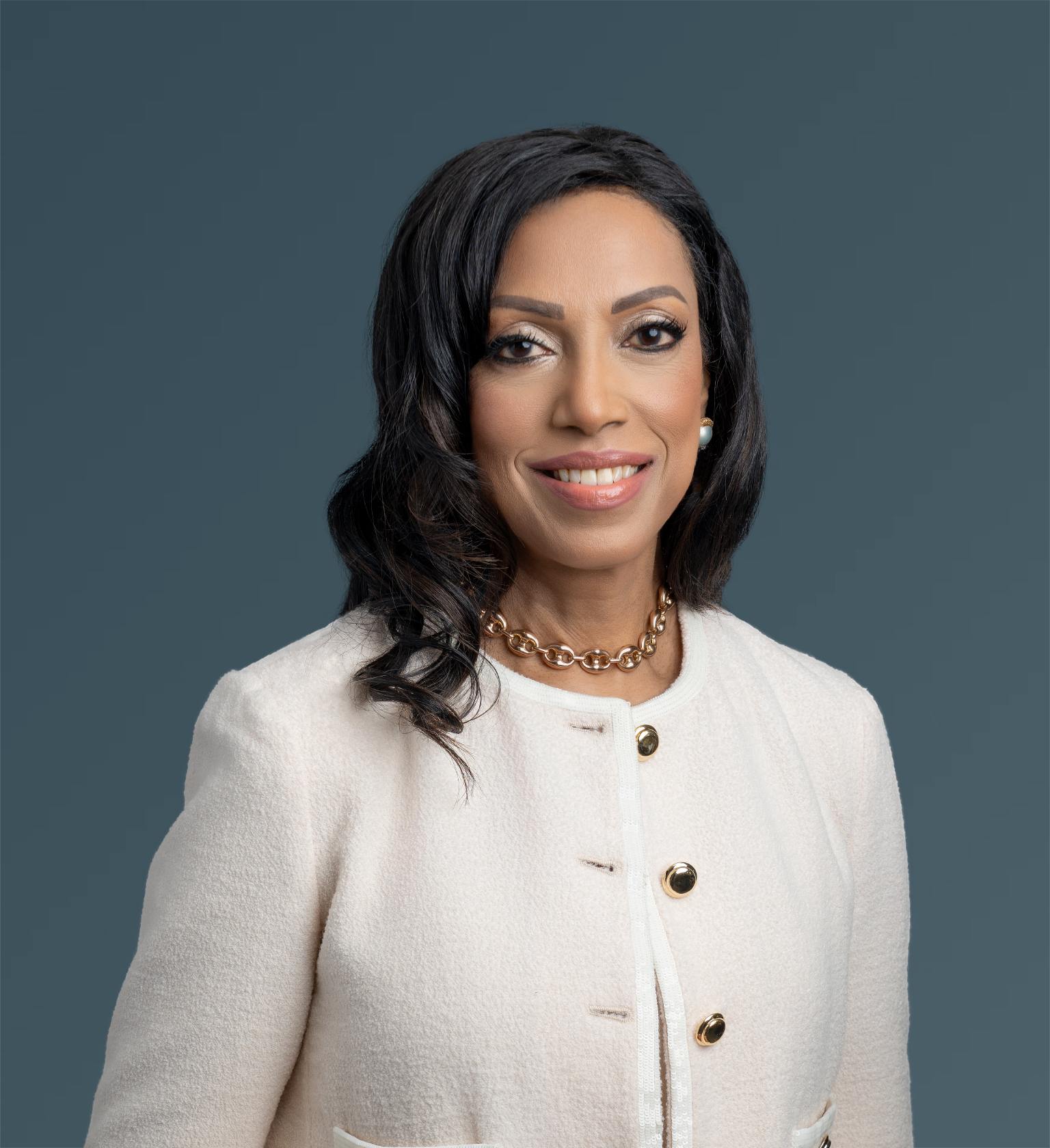
Radha Curpen is a leading Canadian legal expert with over 30 years of experience in environmental law, ESG, Indigenous relations, and corporate governance.
Footnotes
Environmental, social, and governance
Last Year, Just 25% of Big Companies Used “ESG” in Their Report Titles.
JPMorgan, State Street quit climate group, BlackRock steps back
if you torture the data long enough, it will confess to anything
Clear Thinking: Turning Ordinary Moments into Extraordinary Results by Shane Parish
Episode transcript
Radha Curpen 00:00
If you're talking about ESG being climate, energy security, geopolitical tensions, reconciliation, indigenous rights, all of those things, it's sort of a framework to sort of manage 21st century risk and opportunities. And what is happening with what they call the ESG movement is because of the fact that people took it and turn it into marketing. That's how we started marketing and then politics got involved. But if you think about it in terms of messaging and marketing, that's where it's fragile.But if you look at it in terms of governance, that's where it's doable.
Mo Dhaliwal 00:55
Welcome to High Agency, igniting conversations with inspiring people leading transformative change. Something strange is happening in corporate boardrooms right now. In the last few years, 87% of S&P 500 companies disclosed climate related targets. But that same year, major financial institutions from JP Morgan, State Street and PIMCO quietly withdrew from climate coalitions that they'd publicly championed. Companies have started scrubbing the letters ESG from their annual reports. A practice called greenhushing is spreading. And this is where executives might still believe in their sustainability commitments, but they've decided that it's safer not to talk about them out.So anti-ESG shareholder proposals in this time have surged, even though most of them have received less than 2% support in their various boards. So you have this bizarre situation where the underlying risks, climate exposure, biodiversity loss, supply chain fragility, social license, these risks are all accelerating. But the language and coalitions that were built to address them are being dismantled under political pressure. So the question is, what do you actually do if you're the person advising the board? Well, that's exactly where our guest sits. Rada Kurpan is Group Head of ESG and Sustainability at Macmillan LLP. It's one of Canada's leading law firms. She's called to the bar in four jurisdictions from Manitoba, Ontario, New York and of course British Columbia. And she's spent over 30 years advising North America's largest energy, mining and infrastructure companies on environmental risk, indigenous relations and corporate governance.She's the past chair of the Greater Vancouver Board of Trade. She sits on BC's ESG Advisory Council and is consistently ranked among Canada's top lawyers. She built a practice in environmental law before most corporations even knew that they needed one. Welcome Radha.
Radha Curpen 03:05
Thank you. I'm happy to be here.
Mo Dhaliwal 03:07
Yeah. I'm very happy you're joining us. So we've got a lot to sort of talk about in terms of ESG and what's going on with that culturally and politically. But I want to learn a bit about you first, because I feel like you've got a bit of an entrepreneurial bent to you. I could be wrong, but I feel like for anybody that kind of was working at these various law firms and then going to the partners and kind of inventing new practice areas, I mean, you have to be a little bit of an entrepreneur to do that. But why did you choose law as your profession? What led you to this vocation?
Radha Curpen 03:42
My father.
Mo Dhaliwal 03:43
Your father?
Radha Curpen 03:44
Yes.
Mo Dhaliwal 03:45
Okay.
Radha Curpen 03:46
In fact, he sort of whispered it into my ear when I was five years old. I used to apparently argue a lot, and I used to also read a lot. I would be in his car, he would be driving us. My sister at the front, I would be at the back. Always my sister would really want to go to the front, I want to go to the back because I wanted to read. And my dad, during a ride, we were together with my sister. He said, you know, I think you should become a lawyer one day. So it stayed with me, and then he sort of reinforced it a number of times. So anyway, here I am.He, as I grew up, he was right, like, I like...
Mo Dhaliwal 04:36
Arguing and reading?
Radha Curpen 04:38
And all of that. What was that?
Mo Dhaliwal 04:39
You liked arguing and reading?
Radha Curpen 04:40
I like reading, not so much like arguing, I like navigating complex issues, is what I would say, and finding ways to get things done. But that's, it's my father, yeah.
Mo Dhaliwal 04:57
And where did you grow up? You said you kind of...
Radha Curpen 04:59
I was born in Mauritius, and came to Canada with my mom and dad and my sister when, as a teenager, we went to Winnipeg, so that's why my first call was Manitoba.
Mo Dhaliwal 05:10
Oh, wow.
Radha Curpen 05:10
Yeah.
Mo Dhaliwal 05:11
That must have been a bit of a culture shock from Mauritius to Winnipeg, unless there's a massive Mauritian community in Winnipeg, I don't know.
Radha Curpen 05:17
Well, the massive Mauritian community with my dad's family was already there, my grandmother and his brothers and sisters. And there is a Mauritian community, but we were very much with the family. It was the most, the biggest shock was, well, seeing snow for the first time, I remember the entire school coming out when it's the first snow, and we went out. But I think the biggest shock was I was going to Catholic school in Mauritius and had been there since I was four years old, and going from there to a mixed school in Canada, learning. When I was in Mauritius, I went to Irish nuns' school, directed by Irish nuns, and we moved to St. Boniface to Winnipeg, and I went to French school, St. Boniface. And so mixed French school, which is totally different, and for the first time seeing snow. So there was a lot of issues, a lot of things to navigate.
Mo Dhaliwal 06:33
Yeah, I can imagine. So you stayed in Winnipeg for high school, went to university there, and then law school happened in Winnipeg as well?
Radha Curpen 06:40
No. I went to law school because I met, well, Justice Michel Bastarache, who became a Supreme Court of Canada judge, but I met him when I was in St. Boniface, and I was very involved in the francophone community, but also I was part of the French campers, so the university manager, but I was the college university at St. Boniface. I was there studying philosophy and French literature, and he came to talk to us, and that's how we all met, and he told us about our responsibility to go to common law, learning common law in French, which was new, and it was new in the world, and there were people from all over the world coming to the university to learn common law in French, and our responsibility as francophone outside of Quebec to do so. So I thought, what a great idea, and I talked to my family. My culture is that you would stay home for as long as you can, as you know.
Mo Dhaliwal 07:46
Yeah, very familiar.
Radha Curpen 07:47
So it was a good idea to be away from home and develop some independence, but I knew I wouldn't be able to convince my parents unless there was an entrepreneurial reason to do it, and I said, what about this? And I said, this is a way to distinguish myself. I will be able to practice law in both official languages, and I just met the dean of the law school and all of that. So then my dad said, that makes sense.Anyway, so here I went and practiced law, and I practiced law even today from BC across Canada, and I do both official languages.
Mo Dhaliwal 08:32
Is it just from a language perspective? Why was common law as a francophone so important?
Radha Curpen 08:38
Well, because Manitoba, well, Canada is a bilingual country, and we have Quebec, and then you have the rest of Canada. New Brunswick is officially bilingual as well, and there were ... You must know about the French language cases from that time, all the law cases, language cases were coming out, and it was very important for people to be able to defend their rights in their language, in the language of choice, which is French, but there was no University that would allow you ... The rest of Canada was common law, Quebec was civil, so there was no University that would allow you to learn common law in French, so you could practice.It's one thing to speak French, it's another to be able to practice the law in French, so that would give you the terminology to do so. And the mindset.
Mo Dhaliwal 09:36
Yeah, that would have never occurred to me, that's interesting. So, then you were called to the bar in Winnipeg for the first time.
Radha Curpen 09:42
I was called to the bar in Manitoba, yeah. And what was your experience with your law firm there? It was a great experience.I had a mentor, and he continues to be my mentor today, he became at some point a judge, and then a Manitoba Code of Appeal judge, now he's back to the law firm, I was that, Thompson Dauphin Sweatman, and he was so good at allowing me to be who I needed to be. He gave me the opportunities to do great commercial litigation cases and constitutional law cases, because we were involved in all types of constitutional law issues, he was working from the government of Manitoba, and we were doing all those type of issues. So I got that, but more importantly, he also allowed me to develop a practice which was different from what he was doing. He was doing litigation, and he was on the management committee of the firm. So I went to see him one night. We were always working late, and went to his office, and I wanted to talk to him, and I was just three years out. And I said that, you know, I've been thinking about my future, and he says, you have a great future. And I said, yeah, I love the work that we're doing. He says, great. And then he says, there's a bat somewhere? I said, no. I said, I want to develop my own practice. And he says, you will, you are, and you're doing all the right things.
Radha Curpen 11:29
And I said, you act for all the, like, you act for the government. You act for all the major insurance companies. You act for all the major companies in Manitoba already. Like, what am I going to do?
Mo Dhaliwal 11:43
Yeah, you already got it tackled.
Radha Curpen 11:44
I said, I don't want to be your junior for the rest of my life. And he says, well, you won't be, because at some point I'll be moving on, and this and that. I said, yeah, but I want to develop my own practice. He says, you're only three years out. I said, yeah, I'm developing my skills. I'm going to do that. But I also want to develop a practice. He said, what do you have in mind? I said, well, I've been looking at various areas of law. I thought environmental law. And he said, why environmental law? And I said, when I look at what's going on around the world and all those things, I see that there will be a future there. And he says, well, I don't think we have many cases where people are knocking on our doors for environmental law issues.I said, no, I doubt that you would. He says, but I do have a case where we would require that, but we don't have that. I said, what do we do in these cases? He says, well, we bring in people, experts from other farms. I said, well, that's what we could do. He says, but there's not much there. I said, there will be. And he says, well, how are we going to do this? And so I said, I have a plan. I said, I'm going to go to Toronto and get myself educated and then get to know some people in Toronto and then build the practice. I will work alongside them. He says, wow. He says, well, we don't let junior associate do that without having someone, a partner who oversees the work. I said, I knew that would happen. And he said, what, do you have a partner who would ever see? I said, yeah, they will be the Toronto partners if they hire me. And so he says, I said, but that's down the line. Let's just go through whatever I'm continuing to, I'm going to just add a new dimension to my practice.So he's, he actually went to the board and the executive committee and he said to them, I want to support her.
Mo Dhaliwal 13:43
So he advocated for you.
Radha Curpen 13:44
Yeah. He just said, we need to be there for what she wants to do. And he was. No.
Mo Dhaliwal 13:51
So, so there was definitely an entrepreneurial instinct there though, because, you know, on the one hand, I think your mentor was, you know, quite rightfully saying, just, you know, just hang in there and eventually the old guy's going to go away. And then you get to be the person, but there's always a little bit of impatience, right?
Radha Curpen 14:09
Yes.
Radha Curpen 14:09
As we want to see the thing.
Radha Curpen 14:11
Exactly. And others also were coming to see me and said, you, are you saying no to like one of the best litigators in the province? I said, no, I'm not. I said, he's my mentor. He's my friend. And I will always be there for him. I said, I'm adding a new thing to my practice. I'm just adding it. I'm not taking away.
Mo Dhaliwal 14:33
And that's been a part of your perspective as well, right? Like the yes and, right? Because sometimes people, when you're making a choice, and it's true on some level, I think for a lot of choices when you say yes to a choice, you're saying no to many other choices, but the yes and perspective that it can be additive, that's been a part of your philosophy.
Radha Curpen 14:52
It has, and it actually, that is what I've added, every time I've added a new dimension to my practice.So I did build the practice, the environmental law practice, and we did get a lot of clients, but we did have to go to clients and sort of say to them why they have those issues. And they said, yes, we do, but we don't have anyone to do them. And then we got a lot, we built a lot. We were able to build a lot, and it was just not just me and a number of other people who worked with me. And then when I, then I started doing some work for Manitoba Hydro, and then I added a new dimension, which is the Aboriginal law issues, the indigenous relations issues, which I said, okay, well, this is go hand in hand, you don't do environmental without doing this, is what I thought. And so we started doing that as well. And then I moved, I met my husband who was an investment banker in Toronto, and I had built quite a practice already and became a partner early.And so it was just about what do I do now? He's an investment banker, his family's from Winnipeg, but an investment banker. His family was also a client. So we ended up, I ended up wrapping up my practice, selling my firm, I was moving. They thought about maybe could we just open an office? And I said, no, I think I'm better off doing, going to a Toronto farm, which I did. And they had to be rebuilt from scratch environmental law, my environmental law practice, but I was at a great firm, Osler in Toronto, and became all I am because of all the farms that I was at. They did also, again, allow me to do the work that I wanted to do.
Mo Dhaliwal 16:55
I'm thinking about the specific power structures that you're navigating, and not to put too fine a point on it, but a lot of the established law firms in Canada back then, and especially now continue to be run by old white men. And so was there ever a dimension of this, of being like a South Asian woman, of navigating these spaces where you had those social political challenges within the firm, of trying to not only just navigate your career, but also on top of that, having a bit of an entrepreneurial spirit, and wanting to build out in new and interesting ways that perhaps weren't the norm.
Radha Curpen 17:38
I think, I think when I look back, I think some of the things that you see was subtle. You would find things like, if you want to be successful, you need to be viewed as one of the boys, something like that, I was told that early by a woman who was, who meant well. And I said, I don't want to be one of the boys. I am who I am. And I said, I will be who I am. And then, but I will do the best at the work that I do. And I thought early on, the reason I wanted to branch out into something different was to stand out and to build sort of my credibility within the firm and outside the firm as well.
Radha Curpen 18:28
In each firm I've been at, I've continued to do that. It's something that I tell the younger generation, I tell them build it in, build your craft, build it internally, build it outside as well. And I think that is helpful because I, what I would say, I've been blessed that I've had great mentors and great sponsors. I had a great sponsor at Allen McInnes, at Thompson Dauphin Sweatman where I started. And when I was at Ozra, I had a great sponsor, Brian Levitt, who was chair of the firm, who came to the firm around the time I was hired. He was a great sponsor of mine when I wanted to move to, from Toronto to New York, and I'll explain. He said, don't go anywhere, please stay. And that's sort of how we did. And then at Bennett Jones, when I was at Bennett Jones and when I came back from New York, it was Hugh McKinnon who was my mentor and sponsor. So I had sponsors who did not close doors for me, who sort of let me be who I am, so I can do the best that's what I can do for me and for the rest of the firm.So I was, and the first mentor was Michel Bastarach, who became Supreme Court Judge, but he's the one who got me to do common law in French, is what I would say, yeah.
Mo Dhaliwal 19:55
And would you say that was your first experience of understanding that, like a mentor, like that could actually open doors, as you say?
Radha Curpen 20:02
Yes, yes, yes. And it was instinct for me. I come from a family of merchants. My father was a watchmaker, he's a watchmaker. He doesn't work as a watchmaker anymore, but he went to Switzerland at the Omega factory and was the top of his class. And when he was in Mauritius, my grandfather owned workstations like for watchmaking and jewelry business and my family's in the jewelry business. So it's all about distinguishing ourselves. It's something that was like almost, we were grown thinking that way. I grew up in the family business, being helping my dad with sales and with buying and all of those things. And to this day, my uncle's own stores in Winnipeg and all of that.
Mo Dhaliwal 21:00
That's such an incredible sort of actually metaphor because as you explained it, I can totally see it. Because especially in watchmaking, the idea of like honing your craft, honing your practice, but then also not just commoditizing it, but like applying your own signature to it. So people understand that this is your practice, your craft.
Radha Curpen 21:19
Yes, it was. So that is, so I was, in that sense, I've accumulated privileges in all those places.
Mo Dhaliwal 21:30
What took you to New York?
Radha Curpen 21:32
Oh, yeah. My husband. He actually was very good at, as we were thinking about getting married and where we were going to live, he said, okay, I guess I could always come back to Winnipeg where his family had businesses and all that. But I said, you know, you're an investment banker. We should just go into Toronto. Then four years in Toronto, he was being offered a position, like several positions in New York. He was at Citi. He went to New York. He became managing partner in the equity capital markets. That is what took me there. But since I was there, I thought I made the best out of it, now doing more, not just Canadian law. I continued to do Canadian law, but also did U.S.
Radha Curpen 22:21
matters because our office then was going into hiring U.S. lawyers. So I then got admitted to the bar of New York.I took the bar exam and did that. So I could service both Canada and U.S.
Mo Dhaliwal 22:38
And was your practice there still in environmental law or the mandate change?
Radha Curpen 22:42
Yes. So it was environmental, and that was important. Environmental, Aboriginal, I was still doing significant work in Canada. And during that time, and it's in the public domain, we did the GM restructuring, all those, some very significant matters, where environmental played a huge role. And we would just take away, I would do the environmental aspect and take away, did various environmental agreements during the deals with working with in-house counsel and all that. So I continued to do that, and I continued to do some Aboriginal law, although less, because I was away. But I did do... One of the things I've found out as I'm in New York is this notion of sustainability reports, corporate social responsibilities. I was being asked by corporate secretaries of the boards to speak with them about all these issues about environment. And that's why when I came back to Canada five and a half years later, I thought, I want to really focus on energy because of Canada, natural resources, energy. But I also said we need to get in front of those issues, corporate social responsibility, all of that.And then ESG was coined and thought that that's how investors and communities are looking at companies. So I thought we should... So I added that to my practice. So I keep on adding. So I don't change. I don't give up anything. It's about adding a new lens every time to my practice, a new dimension, a new lens.
Mo Dhaliwal 24:40
I mean, you mentioned that when ESG was coined, because that was going to be my next question, because I feel like we've... Industry and business loves acronyms, right? And I feel like we've used some iterations of these various acronyms. And I'm not sure if ESG these days is the same as what was called CSR years ago.
Radha Curpen 24:57
It's different. So CSR, exactly. That's what we were talking about, corporate social responsibility. It's about... I always wanted it to be used sort of as a tool for risk management. It was, again, a little bit like ESG. We'll come back to what works and what doesn't work with ESG, is the issue of it was being used too much like marketing. And you know what I mean? And it's also about how you impact the environment, but also it's also about ESG is also about how it's not just how you impact the environment, but how the environment is impacting your business as well. So that changed.
Mo Dhaliwal 25:51
I mean, I'm not quite sure how to ask this question, but I'm just going to throw it out there.
Radha Curpen 25:54
Why don't you ask? I'll see if I can answer.
Mo Dhaliwal 25:58
What happened to ESG? Because in many ways, I feel like there's so much kind of political, cultural turmoil around appearing to want to do the right thing. And it's kind of seems to be going the way of like DEI almost, where DEI, especially due to American political influence, has very quickly just suddenly become this weird toxic term that in the last two years, corporate boards just can't seem to run away from fast enough for some reason. So yeah, what's going on with ESG?
Radha Curpen 26:33
Well, ESG, environmental, social governance issues, first I would say I don't make it just about climate. For me, ESG is much more than that, and it's sort of a framework to sort of manage 21st century risks and opportunities. And what is happening with what they call the ESG movement is because of the fact that people took it and turned it into marketing. That's how we started marketing, and then politics got involved. But if you think about it in terms of messaging and marketing, that's where it's fragile. But if you look at it in terms of governance, that's where it's durable. And what you're seeing with the pullback and all that, because that's what's happening in the states, is companies are careful, and they should be careful about what they report on. But they continue to govern because they have to. If you're talking about ESG being energy security, you can talk about geopolitical tensions, reconciliation, indigenous rights, all of those things, climate adaptation and all that. You can't say, well, it's not happening. So those are the type of risks that they do not lend themselves well to financial modeling, but they impact, they have the ability to impact business and operations. So what is happening is people are not talking about ESG. They're talking less and less about ESG. They're talking more about sustainability. They're talking about resilience, sustainability, governance. It's just different ways of saying it. It doesn't matter what we call it. I've always said that doesn't matter. What matters is the work that has to be done behind it, the substance behind it. There's always been an appetite for substance. But when you look back, when I look back at my career, when you think about ESG and sustainability, it's been about that. I've worked at the intersection and continues to work at the intersection of law. I say it's between, it's the gap between law and... expectations, law and all kinds of expectations. This is where I operate. And that is what sort of attracted me to environmental law. And that was continued to attract me to all the things that I've added to it, indigenous relations, crisis management, and I can talk about how I got into crisis management as well. Well, crisis management, ESG, sustainability, all of that is the tension between do we have the proper systems? How do we navigate the systems?
Mo Dhaliwal 29:57
But when you say expectations, are we talking about public or cultural expectations of what companies should do?
Radha Curpen 30:04
Well social expectations because companies operate within society, right? So it's policy shifts, law, expectations being community, customers, employees, regulators, all of those expectations.
Mo Dhaliwal 30:24
And I think that's also where on the marketing and communication side, because obviously that's my background, where things get fragile, as you said, because there's a risk in trying to meet expectations through virtue signaling. And I think that's the sort of reaction that we're seeing culturally right now, and politically especially, is that there's an inauthenticity scene when a company is trying to meet the social expectation through signaling its virtues, through signaling its policy, but perhaps the underlying frameworks aren't actually reflective of that or aren't sincere to the signals that they're putting out.
Radha Curpen 31:02
It's very important, and a lot of companies do it well, is to do the work. Reporting is not the work. Reporting is about reporting on the work you've done. So the work, the substance is behind it, is in the operations. That's where the work is.
Mo Dhaliwal 31:26
Yeah. No, it's definitely not the reporting. One of my favorite quotes is that, you know, data, if tortured long enough, will confess to anything. So it's definitely not in the reporting. You know, and it's interesting, your take on it, because I'm also thinking about ESG and what came before. You've mentioned a lot about risk. So has there been a shift in terms of looking at these issues and addressing them from purely a risk and liability perspective towards maybe a little bit more on the virtue side of, you know, what should a responsible corporation be doing? Like, how should it be, you know, governing itself? How should it be establishing its policy? Or is everything still really rooted in just liability?
Radha Curpen 32:11
No, I think, and the way it's being even framed in the U.S. right now when we talk to companies and lawyers in the U.S. practicing this area. And I've always actually presented it or framed it this way, which is risk and opportunities. So of course, you're going to deal with risk and liabilities because that's what you have to do. You have to work in the best interest of your organization. You have to look at those things. But in looking at those things, you also look at the opportunities, because part of the things about sustainability is looking at risk, but also looking at accountability and looking at value creation.So it is absolutely something you look at. It's not in silos. You have to look at it completely.
Mo Dhaliwal 33:07
And does it tend to be companies that can kind of, I guess, afford to look at it, or is it, I guess, seeped far enough into the corporate culture that pretty much any large school corporation takes it as a given that this has to be a part of how they govern themselves and how they approach their work?
Radha Curpen 33:26
It is part of good governance to look at what the kind of risk that you're dealing with, the kind of operations, the risk of your supply chain, risk within your supply chain, and then risk of dealing with that. These are all sustainability. How do you build a durable business, a business that's going to withstand the test of time? And how do you do so, especially now, I would say, especially now where there's so much uncertainty around you? How do you do it? How do you get cut through the noise and do the things that need to be done? So you need to do it in a systemic way. You can't do it by just thinking, okay, we're going to rely on good intentions. Good intentions is not enough.Implementation is going to be important.
Mo Dhaliwal 34:17
On the implementation, I mean, the point about companies that can afford to do it, kind of doing the right thing. I have sort of an interesting example. There's something really interesting going on right now with Apple. They've been really kind of moving forward with this focus on privacy for a number of years. The first way was they really limited the amount of ad tracking that can happen on their phones. But even now with AI, as every company worth its salt that is any major player in tech is just jumping on and massive investments into AI, and it's been pretty incredible. And Apple's take on it has been kind of interesting because on the one hand, they've been kind of criticized for perhaps not being quick enough at taking advantage of it. But at the same time, their philosophy is kind of interesting how it's coming across where, you know, on their phones and on their devices, they're not in a mad rush to create a whole bunch of AI software that allows you to generate real things, right? So on the phones, for example, the AI assistants will kind of help you with tasks here and there, but it won't let you just generate just tons and tons of paragraphs and paragraphs of text. That's not the primary purpose. And even on the image generation side, the image generation that it does via AI is all purposely kind of meant to be a little cartoony and not trying to simulate real life. And they actually have a policy where on their AI application, like if you submit a request to generate something, they'll, you know, that request goes up to their servers, they'll process the request and whatever image thing that you want to generate, they'll send it to you. Once that's done, they'll actually delete the original prompt. And that is completely like, you know, opposite to every major tech company, Google, Facebook, et cetera, because every time you ask it something, they store that and they build on that. And so there's been questions around privacy and the fact that they're storing so much data, you know, if you're interacting with people. And so there's an area where they're expressing a massive commitment to privacy and the consumer and almost like a protection, even with kids and saying, you know, we're not going to let you just generate lifelike things. But then on their supply chain side, right, maybe, you know, that same amount of kind of virtue isn't really showing up necessarily because whether it's cobalt mines or how they're extracting minerals, I'm not sure that, you know, that same sort of perspective is showing up there. So it seems to be like where they can afford to be virtuous. They are because their business model isn't built on advertising, so they can kind of, you know, wag their finger at everybody else and say, look at how much we care about privacy and you don't. Yet the place where they're being extractive and perhaps even, you know, turning a bit of a blind eye to human rights issues, that's where we don't really see a lot of conversation or performance about the company.
Radha Curpen 37:07
I don't know. What I would say is this. First, I don't think I can comment on Apple.
Mo Dhaliwal 37:17
It's a very legal answer, okay.
Radha Curpen 37:19
I don't think I can for many reasons. And then what I would say is that you have to be, people, when you look at companies' risks and opportunities, one of the things I do is you map out where they operate and you map out the business model, how they make money, and their stakeholders and all that. But we do also have to remember this, the reality is that in order for us to grow, as for countries to grow and companies to grow, people to grow. We need, in our case, natural resources. We need our natural resources. We need to build infrastructure, to build... We need materials. We need time. We need capital. So that includes the materials come from the ground for everything. So we shouldn't be... I would say we have to be careful about judging companies or judging people because they're extracting. I actually want us, especially as a country, to lean into our strengths, which is our natural resources. And we want to do it responsibly.
Mo Dhaliwal 38:53
I think the responsibility is probably where all the tension lies, obviously.
Radha Curpen 38:59
Yes.
Mo Dhaliwal 39:00
Because I've had one reaction where, regardless of where you land on oil extraction and the markets, even leaving that whole conversation aside for a second, because there's definitely some people out there that think that we shouldn't pull another drop of oil out of the ground. And then you also have...
Radha Curpen 39:18
It's unrealistic.
Mo Dhaliwal 39:19
Unrealistic.
Radha Curpen 39:19
It does not work that way.
Mo Dhaliwal 39:22
But then you also have some of my friends and relatives in Alberta that are like drill baby drill. And regardless of...
Radha Curpen 39:29
I have to agree with them.
Mo Dhaliwal 39:30
Yeah. And regardless of which side of that coin you sit on, though, it's like the responsibility of, for example, consultation. I think too often for me, even as an observer of this, it's felt like, for example, consulting with indigenous peoples of a pipeline traversing their land or in some way, some part of their land actually being disrupted in a meaningful way. Even when government consultation has happened, and again, as an outside observer, I haven't been involved in the process, it's always looked and felt like it wasn't so much consultation as it was like foregone conclusion, and then kind of going and bashing a community over the head with a foregone conclusion that says, we're already going to do this. This is definitely going to happen. And now we're almost kind of performing the responsibility of consulting with you, even though the outcome's already been decided.
Radha Curpen 40:23
No, it isn't. I mean, we act for a number of companies that are in the natural resource sector. That is not the case. You have a lot of companies out there doing all the right things, which is like consultation with First Nation. This is something that we've been doing for decades now. And it's not about, and part of the law that came out from the Supreme Court as to the duty to consult and where appropriate accommodate, it is about looking, like doing proper engagement, going in and talking to the First Nations, the indigenous communities, the elders and everybody and making sure that you understand what the impacts are or what the impacts could be and accommodating that where appropriate.And now we've gone beyond that because we are now talking about equity participation. So when you do a project, there are various scrutiny. You have to be able to withstand legal scrutiny. You have to have social legitimacy, and you also have to have capital credibility. So all those three things have to work at once. And those are the type of things that companies are navigating. And that's why it is so important to have certainty because we have the capital, we have the resources, we do need this certainty of the rules.
Mo Dhaliwal 42:18
When it comes to that side of it in particular, I mean, is there something that even the best government companies that they still get wrong or they start out on the wrong foot?
Radha Curpen 42:33
Well, it's not so much as, I mean, I'm going to reveal my bias because I act for companies. It's not so much that they don't get it right in terms of... This is about they need to plan early. They need to consult early, if you're talking about, are you talking about consultation? They need to consult early and they need to build maybe partnership as well, right? So it goes beyond, so there's a lot, you can't, one thing that you can't do because then capital will not come, is you can't keep on assessing, studying, all those things without an end to it. There has to be boundaries around things. I think what happens is that there's always intentions that are good, but you have to make sure the governance work. When you do a project, well, when I do a project and I've done some in other jurisdictions, is I come in and you coordinate with the in-house people. You work with the engineers internally and externally. You work with a bunch of people to make sure that you're planning, before you even start, but before you even start a process where you're actually going to the government or going to indigenous communities, you're going to have a whole mapping done and you're going to assign responsibility to different people. That has to happen. The governance, the responsibility, who owns what has to happen as opposed to, and that's why I find that sometimes there could be failure, is that if you fail to do that early, is what cause the problems.
Mo Dhaliwal 44:44
Just because you mentioned it earlier, I have to ask, what's the toughest sort of crisis that you've had to navigate in the ESG realm? Because you mentioned that you kind of got into the crisis management side of things, so I'm assuming that that's where things went wrong and now we need somebody to come in and handle it.
Radha Curpen 45:06
So before even you think about ESG and all of that, before it's actually coined, or maybe it was coined and you are not really doing it, then you have other things that you're dealing with, which has ESG related, like whether it's a deal, whether it's an issue incident, whether it's dealing with some business disruption. So all my career has been about dealing with those kind, different type of crisis, different type of disruption. And then the biggest one came when I did 2013, it was July, was the LACMIGONTIC derailment and it's also in the public domain. I acted for Irving Oil and they owned the oil. They didn't cause the accident, but they owned the oil. So that was the most significant crisis in Canada, in Canadian history, in North America. So I got the call that morning, the incident happened and I was on call every day for months and then for years in terms of dealing with the issues.
Mo Dhaliwal 46:42
Could you maybe just frame that particular crisis for a minute? So there was a train derailment that happened.
Radha Curpen 46:48
Yes.
Mo Dhaliwal 46:50
Where was it? What was the impact?
Radha Curpen 46:51
It was in LACMIGONTIC, Quebec and it wasn't caused by the person who owned the oil, the company who owned the oil, it was a train that was left unattended with oil and it came down a slope and a number of people were killed with the explosion. But the company who owned the oil has responsibilities associated with the proper... the proper shipping documents related to this and all of those things and the containers and all of that thing, but those were fine. Those were not the things that caused the incident, but what happened when you have a crisis like this, everybody looks at everything.
Mo Dhaliwal 47:49
A lot of scrutiny suddenly, right?
Radha Curpen 47:51
Risk lies in details. Risk lies in documentation. Risk lies in definition. The definition in this case was when you're an importer of oil into a dangerous good, oil is a dangerous good, so it's a transportation of dangerous goods act. It's as if you went to the states where this oil came and as if you did all the work in order to classify it and send it to yourself under Canadian law. That's where the risk is.The risk is the definition of an importer. The risk is in the shipping document, in the classification of all of that. You start looking at all those risks as people are transporting dangerous goods all over North America. All of a sudden, you have this scrutiny not just for this particular client, for a number of other clients in the oil industry, in mining, in manufacturing. Wait a minute. We are all transporting dangerous goods. How the assumptions that were done were that we are obviously dealing with Fortune 500 companies in obtaining those things and we're expecting their processes to be correct. You are dealing with railway companies and other companies that are doing their things correctly. Then all of a sudden, you're responsible for everything that's going on because of a definition in the law. That's the kind of crisis that you deal with for a long time because you then look for ways to manage it. Then you look for ways to deal with stakeholders, you have to deal with communities, you have to deal with ensuring that your business continues to operate and operate in compliance with laws and all those things.Once you have notice of something, you want to deal with it and address it and all those things. That's the kind of crisis that makes you think about all the things that how do you govern? How do you create? Frankly, I would have loved to have AI then to help me with some of the processes and all of that that we were dealing with.
Mo Dhaliwal 50:33
So, was this a situation where your client was really, I mean obviously the accident was horrific itself, but were they caught off guard about their own liabilities in that situation? Or was it that an accident has happened and now there's some sort of standard operating procedure to resolve it?
Radha Curpen 50:51
Well, I think what happens is that whenever there's a crisis, you look for fault lines and it's an opportunity to address any kind of fault lines. So you start looking and address anything that could do better, but it's not just for the people involved in this, but it's for others to also look at it and say, how are we doing and what's the risk here and what can we do?So all of a sudden we became experts in all of that, which is not something that I was an expert at. I wasn't an expert at dangerous goods. No one was. I looked around to try to find experts to help me in the consulting group and no one was. And then so we developed the expertise and built systems and all that. I'm a big believer in systems, systems that work.
Mo Dhaliwal 51:51
Me too. So you were early on environmental law, it sounds like pretty early on ESG, as we say in Canada, where's the puck going next? What's your prediction on where things are headed and what's the next practice area you're going to build?
Radha Curpen 52:14
Well, I'm talking about resilience and I'm talking about systems, but I've always dealt with systems, so throughout my career. Right now, the opportunity is that we are trying, we as the Royal We and obviously Canada and all the governments, we're all trying to meet certain, and we want certain outcomes like energy security, energy diversification, reconciliation, all those important things and growth, economic growth, and all of that. How do you achieve all of this with the system that we currently have? Do we have a proper system? And what's happening is you have virtue signaling, like you said, you've talked about companies. Well, governments do that too. They have aspirations, great aspirations, but how do they translate that into rules that people can understand? And then how do you translate that into rules that are going to be knowable, that creates predictability, certainty, all of the things that are needed in order for us to continue to grow? I think that's a major challenge right now.
Mo Dhaliwal 53:52
And I think it's often, or it has been at least kind of framed as a zero sum game, right? That in order to grow, you have to sacrifice this other thing.
Radha Curpen 54:03
You don't.
Mo Dhaliwal 54:05
Or if you want to be really virtuous, then your people and your country has to be stagnant. And that might have even been actually part of the sort of social cultural, I think, issue and dissonance that people had with Justin Trudeau in the latter part of his career as our prime minister was that there seemed to be sort of an incongruence between public statements and kind of like a sort of social position. But then he's approving pipelines or buying a pipeline and doing that. And it was like the statements and the persona didn't quite seem to match some of the decision making. And I think for anybody looking at the issue quite superficially is like, you want alignment in our leaders, you want these things to line up. And for that reason, the reaction to Prime Minister Carney has been quite interesting because I'm of the opinion that it isn't as much about the policy decisions as it is the congruence between what he's expressing as a value system or what he's expressing as his worldview and perspective. It's lining up pretty much one to one with the decisions that we're seeing and what's being announced about what the government's doing next.
Radha Curpen 55:22
Well, what he's doing well, I mean, a lot of the things that building Canada Act, for example, I think it's, again, it's leading into who we are as a country and trying to ensuring that we can get, here's an opportunity that laws look at everybody needing energy around the world right now. And how had we built in the last 10 years, where would we be today? We wouldn't be worried about growing. We wouldn't be talking about being a middle power. We would be talking about being a superpower. So I think what you're seeing with Prime Minister Carney, he is trying to do all of that. I mean, there are all these aspirations, there's all these goals, but in order to meet those goals, the key is going to be the implementation of it. And all of it is going to depend on implementation.You can have all kinds of great intentions, but intentions is not going to get you there. You're going to need to do, and he's taking action. I mean, he has having the major project office, build Canada, but it's not just about major projects. It's about all the other projects as well. So it requires some kind of alignment. That alignment is going to be important. Alignment that we do not currently have.And if we don't have alignment, when I talk about alignment, I'm talking about alignment of systems, laws, policies, expectations, realities. The reality today is that, yes, we need our natural resources to build everything we want to build. People have to come to understand that is a reality. We have to start with a whiteboard and say, where are we going? We want to go there. How do we get there? What is the reality for us to get there? We need our natural resources. That means we need to do what you say in Alberta drill. And I agree. I mean, we need to do it in a responsible way.
Radha Curpen 57:38
And we have to involve our indigenous communities. We have to make sure they participate in the... So as we do that in the economic growth of this country, we're going to do what? We have a great opportunity. We have the resources. We have the know-how. We have the people. We have all the good intentions, but I don't know that we have the right system.And part of the things that I've done all my career is navigate systems, is helping clients find clarity in the noise, look for the clarity in order to find and build credibility, but also build the structure, like build around the structure, build and make sure. So that... That is not happening. So that's why when I've spoken about Drupal, for example, I'll use an example, it's great principles and all of that. People start with good intentions, but how do you put that in a rule of law, society? We have a country where we have rules, we have law that has to be knowable, that people have to be able to plan, it has to have legal certainty, there has to be proportionality. So there is a challenge and we need, we as a country, we as a province and all of us need to make sure that things are done in a way that there's clarity. We have, I said the risks are in the definitions. We have to define the rules. We have to define the boundaries. We have to define who makes decision and what circumstances, what is discretion and where does it end, where does it begin. All of those things, we have to make sure there is integration. We can't have various systems, like various processes running. We have regulatory for energy. We have impact assessment federally. We have BC environmental assessment. We have indigenous led assessment. All of that happening in parallel, it creates paralysis and uncertainty.We can't have that. We have to have an integrated system that shows us that we can achieve an outcome. If we are in a range of outcomes and we continue to stay there, we are now going to be able to move forward.
Mo Dhaliwal 01:00:36
I think.
Radha Curpen 01:00:37
I'm sorry.
Mo Dhaliwal 01:00:38
No, no, that was incredible because you actually just articulated what's been like my frustration with every time I've seen a politician on TV at any point in time make sweeping statements. And it was because like I always had a dissonance with it because you know that they're disconnected from the ability to actually effectuate the sweeping thing that they say they're going to do, right? I'm going to bring in jobs. It's like we're just so sick of hearing these like overly simplistic statements. And what's been missing for me is actually that. It's the idea of somebody standing up there and saying, I understand how to create systems. I understand how to create alignment. We need to have like integrated decisions. And I'm going to respect the intelligence of my citizens and constituents and say, based on the systems alignment we need, here's a holistic statement we can make rather than these like myopic statements that look at like one issue and just make that the focal point without thinking about how it is affected by other aspects and how it's going to affect other aspects. It's there's been a real like oversimplification of even like the political socialization of messages.
Radha Curpen 01:01:45
Yes.
Mo Dhaliwal 01:01:47
And I think, yeah, I think it disrespects the intelligence of the common person and also just doesn't really pay any respect to the profound responsibility of actually making the whole system work rather than just honing in on your little issue over here that got you elected.
Radha Curpen 01:02:03
Exactly. And what you said is absolutely right. I'm thinking about Shane Parrish. I don't know if you if you know him, but I listen to his podcast all the time and he has a book I'll send it to you called Clear Thinking. And it's about second order thinking. It's making decision without understanding or without going beyond. So all of the things that's happening right now in our province, a lot number of things that's happening, not all of them, but a number of things that are happening right now lead to the second order effect that is uncertainty. And that's a problem.And then people latch on to do to the great intentions. The great intentions are there. The great, the lofty aspirations are there and no one is questioning those, but how do we get to implement those things? We need to face the reality. We also need to make sure that we have the proper systems and who's responsible to make sure we have proper systems, government.
Radha Curpen 01:03:18
I'm sorry, I'm not a politician, but I work in systems.
Mo Dhaliwal 01:03:24
Yeah, but nobody wants to face reality, right? Like that's uncomfortable. Like if we can avoid it, we do.
Radha Curpen 01:03:30
We all do that.
Mo Dhaliwal 01:03:31
Yeah. So if you had five minutes, we're gonna do a bit of role-playing here. If we gathered all the CEOs of the most influential corporations in Canada in one room in an auditorium. And we invited you, Radha. We said, okay, Radha, you've got five minutes and we needed to go in and basically make the biggest impact you can. What would you say to this room full of Canada's most influential CEOs?
Radha Curpen 01:04:06
And would it be about which topic, about anything?
Mo Dhaliwal 01:04:10
About what we talked about of the systems alignment and creating the conditions for growth while balancing everything that we've talked about.
Radha Curpen 01:04:17
Yeah, I think what would be important is that the companies, the CEOs, they're there. The capital is there. So I think what we need to say to them is the fact that the problem is the fragmentation that's happening and that they need to push for certainty and for enough with the fragmentation. So they need to push government. It's not the CEOs that they're not. They are willing to make the commitment. They are willing to put the capital in. But the capital needs some kind of credibility. There has to be process that works. It has to have an end to a process. It has to, people are, the CEOs are used to dealing with complex matters. Complexity is not the issue. Rules, they need to know the rules of the game. And I think that's what I would say.I would say to them, you push. You push all the governments that you're dealing with to understand the rules of the game. And the rules of the game have to be clear so that you can invest and you can build. And that when you build, then you create jobs. And people, you bring people out of where they are into better circumstances. Those CEOs want to do that.And in terms of risk, I would say, look for risk where you don't expect it. Look for risk in the details. Map your risk. Oh, that's why I would say, map your risk. Give ownership of those risks to certain people in your organization. Each area can create 10 risk or less on it. And then do a cross, a cross, cross organization. Mix it up so people know in this department what that department is doing.
Mo Dhaliwal 01:06:26
To break down the silos.
Radha Curpen 01:06:27
And then break down the silos. Get together. And then be careful on what you report. It's not about the reporting. It's about that work that is being done. And engage with your stakeholders. And imagine who they are, your stakeholders, your customers, your investors, your employees, your communities, all of them, your lenders. Engage with them. Tell them what works, what doesn't work. And tell them why you can't do certain things. Because that will build trust. Build the trust. And then continue to do so. And there's lots of companies who do that and they do it well.Not all do, but lots to do. And then you think about reporting loss. A lot of times I get retained on, I want to report. I say, no, you want to assess what you have first. Where is the work being done?
Radha Curpen 01:07:19
Because what you want to report on, you want to report conservatively and report only the things you can, you have. You can speak to. Yeah, you can speak to. So I say there's wonderful opportunities in Canada. There's lots of opportunities from foreigners wanting to come to Canada and wanting to invest. So we have the capital. We just need to create the systems that will allow them to do so.
Mo Dhaliwal 01:07:51
Incredible. Um, rather, if somebody wanted to learn more about your work and what you're up to, uh, where should they go and find you on LinkedIn or else?
Radha Curpen 01:07:59
Yes. Uh, and I'm at McMillan, at the McMillan website. Um, uh, you can, they can look me up there and on LinkedIn as well. Thank you. And thank you for this opportunity to, this was a fascinating discussion. I didn't know where it was going to go. And so that's the best part.
Mo Dhaliwal 01:08:19
No, thank you so much. This is actually really enlightening. Um, yeah, I learned a lot from it. Um, you have a really, uh, amazing teaching style actually, uh, as you're like explaining concepts and ideas. So, um, you know, it's not totally professorial, but it's like, um, I feel like you can take very big, complicated things and kind of dumb them down for somebody like me to actually follow along very carefully and understand what you're talking about.And there was a clarity in your thinking as well, where what I was describing about, like what I've always disliked about political, you know, politician statements of finally understanding that it was around systems and alignment. It's like they're not even talking to the things that are going to make the thing happen. So what's the point of just speaking to your aspiration?
Radha Curpen 01:08:58
Yes, that's that's that's there's a simplicity. There's always something in simplicity. I have to say that one of my mentor is my husband, David Spillak. Uh, he has, um, one of the things I was going to do when I met him and got married, I was going to go for an MBA. So I never did. And he then I gave me all the books that I needed and he gave me all the, the Charlie Munger, Warren Buffett books and Shane Parrish, uh, Morgan Housal, all those books that opened up my, my horizon and make things simple. He says, go back to the drawing board, go back to, to that whiteboard and then go make things as simple as possible. So I learned that from him.I did learn about teaching is something that I've, that I've done throughout my career. I was a lecturer at U of M. I was a U of T law school. I taught, I taught corporate social responsibility. Oh, I even said then how under it will not, will not be in Canada because we have section 35 of the constitution. Now I get a few emails from time to time from my former students that you said in 2012 or 2013, 100 will not come to Canada because I, I thought it wasn't needed because we had section 35.
Mo Dhaliwal 01:10:17
I'm going to have to go look that up. I'm going to have to look up section 35 and then go relearn.
Radha Curpen 01:10:23
Oh, the constitution.
Mo Dhaliwal 01:10:25
Um, no, thank you, Radha. We appreciate your time.
Radha Curpen 01:10:27
Okay. Thank you very much. Thank you so much for having me.
Mo Dhaliwal 01:10:32
Well hopefully we've given you a lot to think about. That was High Agency like and subscribe and we will see you next time.


.png)