

Guest appearance
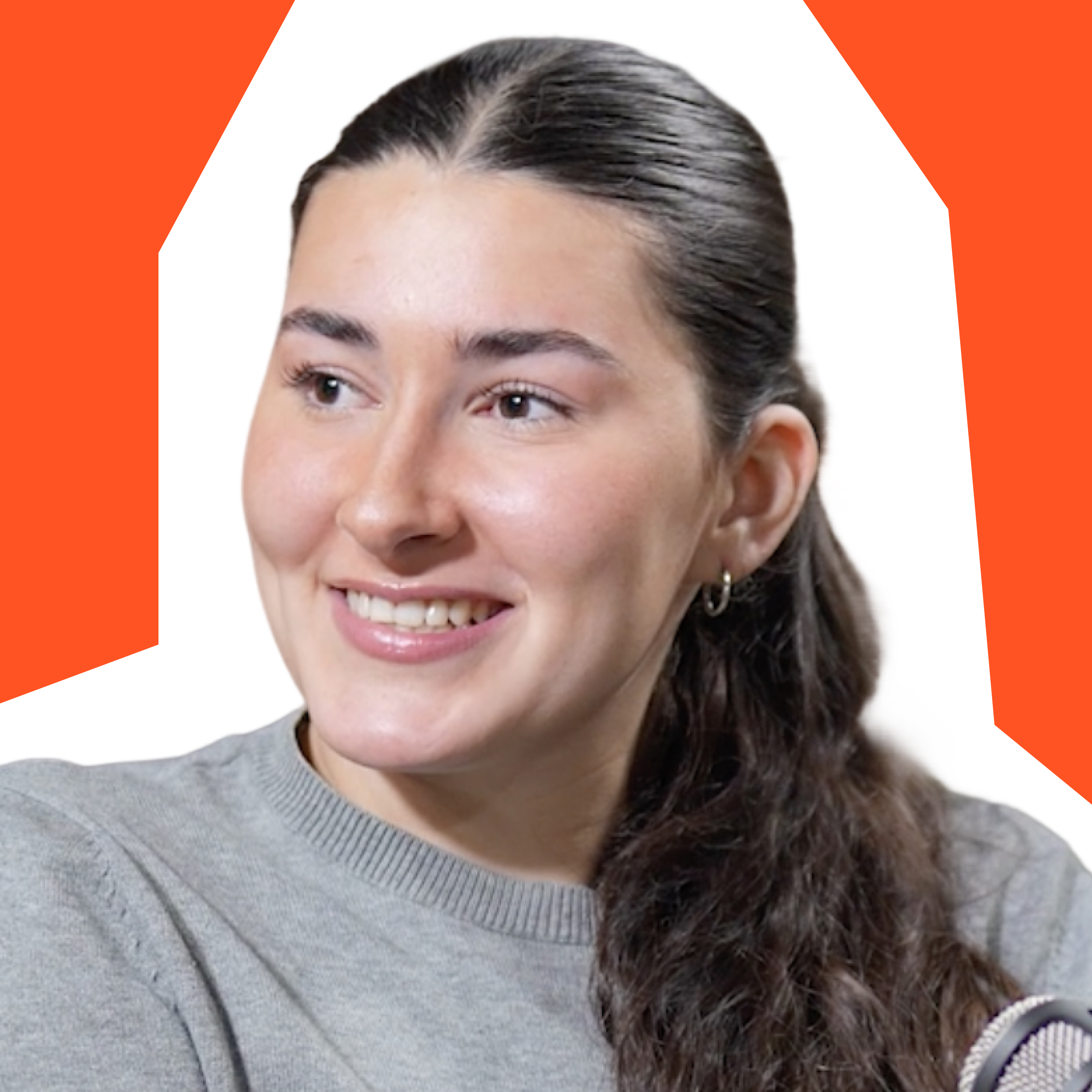
Chloë Swain is the Founder and CEO of FutureTwin AI, where she is pioneering innovative approaches to help individuals and organizations navigate uncertainty through artificial intelligence.
Footnotes
Episode transcript
Chloë Swain 00:00
I found it extremely interesting how the elders in the communities are seen as like the pillar and because they have so much knowledge and experience. And I found that it was very sad how that was lacking in our communities nowadays.So even in BC, the guidance counsellor to student ratio is supposed to be one to every 250 students, but many it's like 700-1000 no guidance counsellors. So I think in BC, I think it's like 23% and end up making it through to that career education path they had in mind. In indigenous communities, it's 4% and then in the rural communities, it's like 3%, 3.5%.
Mo Dhaliwal 00:53
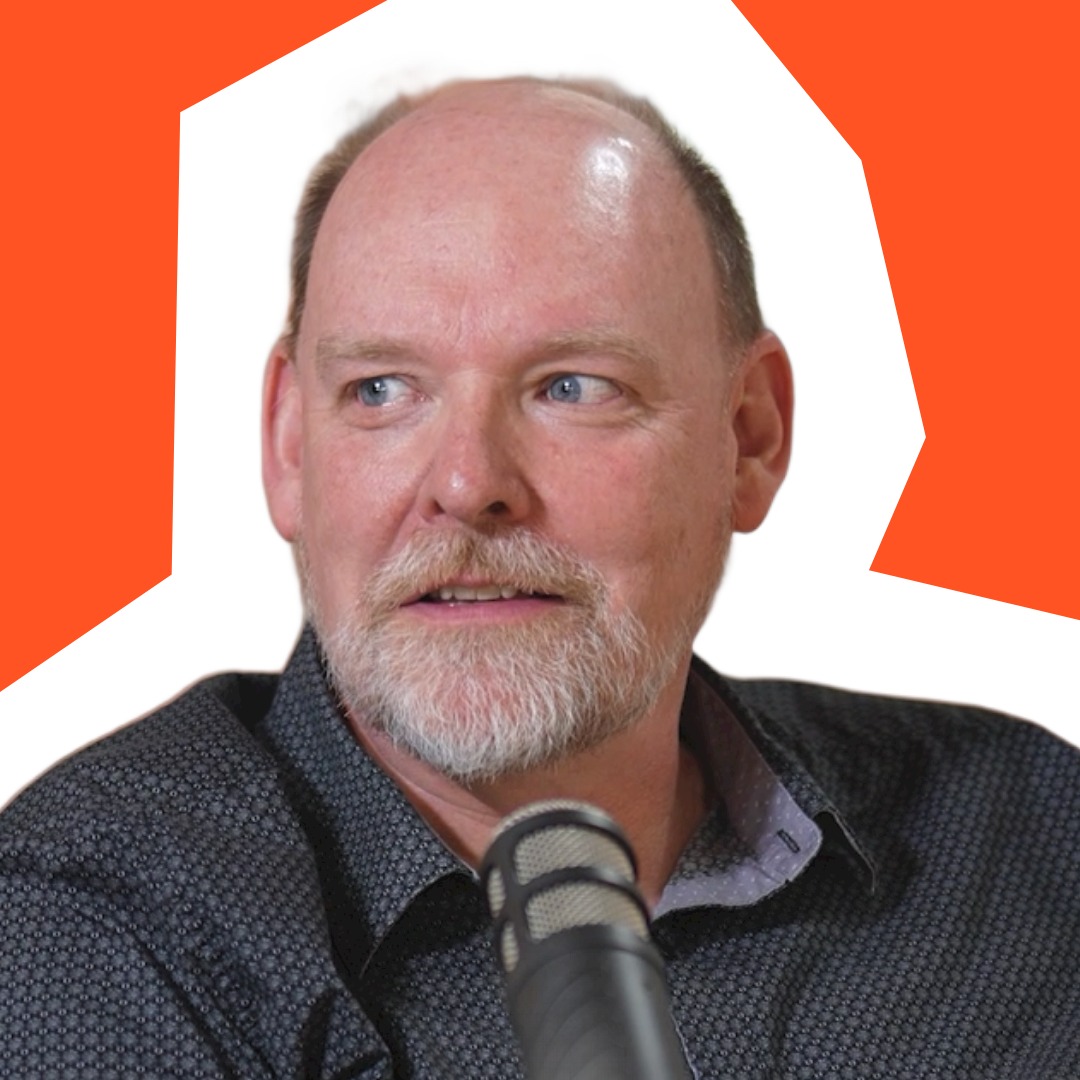
Many people discovered their career path kind of by accident. It was a chance conversation, an unexpected internship, or a class they took to satisfy some prerequisites. But then they fell in love with the subject. We've all heard these stories of serendipity and for a long time, stumbling on the right path has been a viable option.But career advice for young people today is very different than in my day. The dream jobs of today may not exist in a decade or might be replaced by something that we can't even imagine yet. This is the new reality of navigating work and education in an era of relentless change. Now, what if every student had a twin or multiple avatars, another version of themselves that could explore thousands of potential futures simultaneously, uncovering pathways that they'd never imagined on their own? What if this twin could act as a mentor that evolves alongside you from early schooling through to every career pivot and every moment of uncertainty? Not a, not a replacement for human guidance, but something that amplifies it, a presence that learns your strengths, anticipates your blind spots, and opens doors that you didn't know existed. Young people face unprecedented anxiety about their futures while navigating careers that don't exist yet. And schools struggle to teach emotional intelligence and financial literacy alongside calculus and chemistry. So to explore what this means to young people, the future and adapting to change, we're joined by Chloë Swain. Chloë is the founder and CEO of FutureTwin AI, where she's building at the intersection of artificial intelligence, education, and human potential. A passionate entrepreneur with a deep commitment to shaping a better future for young people, Chloë combines knowledge of AI with a forward thinking vision for how emerging tools can empower the next generation. Through FutureTwin AI, she's building solutions that will help people explore possibilities and make informed decisions in an increasingly complex world.
Chloë Swain 03:04
Thank you for having me, what a great intro.
Mo Dhaliwal 03:06
Welcome to High Agency.
Chloë Swain 03:07
Thank you. Thanks so much for having me.
Mo Dhaliwal 03:09
Well, what great work. You're doing some really interesting things.
Chloë Swain 03:11
Yes, no, I'm really enjoying it.
Mo Dhaliwal 03:13
You know, it's kind of very meta that you've made it your purpose to help other people find their purpose. How did you land on this? Where did FutureTwin come from?
Chloë Swain 03:27
Yeah, so I think it definitely came through a number of iterations. So with our first version, I mean, I had personally gone to indigenous communities through school. So we go to like Long House in Brackendale and kind of visit these communities. Yeah, and get to kind of see what life looked like for them, obviously, through what these these school experiences and I found how it was I found it extremely interesting how the elders in the communities are seen as like the pillar and because they have so much knowledge and experience and I found that it was very sad how that was lacking in our communities nowadays. So I know a lot of friends don't maybe know what their parents do or their grandparents had done throughout their lives and storytelling isn't presented in the same way with that knowledge. Yeah, so I always thought I was kind of sad and like a lot of friends would only kind of talk about their parents and grandparents when it came to like Christmas checks they got in the mail or cards or gifts and it wasn't yeah what they had done throughout their lives.So I think that's where I kind of started with that idea and I had gone to my dad who is a founder and he's kind of in the chemical like pharmaceutical area so not the same as tech but I had gone to him with my problem and he had said okay well don't come to me with a problem come to me with the solution very much kind of the way we raised around him. So I kind of went back did some thinking and I came back with an idea and he was like okay well this is great Klee but you don't know how to code. I was like yes that's a little bit of a problem there. So I ended up reaching out to 50 companies in Vancouver and one got back to me my chance and I kind of took a day out of school and went and presented to them and the CTO of the idea and agreed to come on and work with me with FutureTwin. So I kind of started there through that idea a lot of mentorship intergenerational connections kind of face-to-face getting off the devices and then the pandemic hit and because that was a lot of face-to-face yeah and really just trying to communicate and go to have experiences with these people that really put a big stop to that. So re-pivoted to then what FutureTwin ended up being and I think a lot of that was also through in school myself having to go through and explore possible education and career paths and I saw that a lot of others like other students around me were struggling with the problem and I mean I still see it because it's such an essential decision you're making that's shaping the rest of your life.So yeah but I was very lucky my CTO that he kind of agreed to work on me with it and has been with me through my iterations now and still with me today. Yeah I think that's kind of what got me to where I am.
Mo Dhaliwal 06:20
I mean, it's interesting, your story actually started almost at the opposite end of what I was expecting, because, you know, from reading everything about FutureTwin and your aspiration, I was expecting a story of, like, sitting around with frustrated youth, you know, mad at the world, but you started with elders, actually, and witnessing that there was a different role they were playing in the Indigenous community. And yeah, I think Western society, you know, tends to be a little ageist, right?There's a generation of relevance, and then you're either too young or too old, you just have to be in that sort of Goldilocks zone, but there's many cultures and communities that are far more intergenerational, and I'm sure a lot of knowledge that way. In fact, I'm going to get the quote wrong, but somebody was, some very smart person, had talked about how even in human evolution, that one of the really interesting points in our own trajectory over, you know, hundreds of thousands of years was the invention of grandmothers, right, a point at which, you know, there's the biological aspects of revolution, but then, you know, women, when they're, you know, to a particular generation, and now they're, you know, a generation removed from progeny, it's like, what was their purpose? And this theory that, you know, all of civilization and the current sort of human experience might actually be the result of women living long enough to actually nurture and pass down long-lived information, right? That is very core to us.
Chloë Swain 07:48
Yeah, no, I agree. And I think it's definitely, I think there are some communities that do it incredibly well, like that intergenerational connection. But I even find like, I mean, growing up, my dad, he grew up in England, and he came here for kind of university. And yeah, just hearing like, childhood stories and what he would do. And like, that's, that was my sister and I's bedtime stories. Like, we'd be like, tell us another story of you running through the fields with your friends. Or, yeah, and I think then that kind of started to go into, okay, like, he had been through so many different career paths and education paths and going down this and then deciding that wasn't for him. And I think it's so valuable being able to see that and see what that path looks like for other people.So I think when it comes to students now, oftentimes, okay, like, navigating an education path and going, okay, I'm going to go to school for this, but they don't have an idea of those career paths that are going to come after that. And even, yeah, I mean, talking with parents, kind of a friends and they're like, Oh, what are your kid doing? And they all he's in university. It's like, Oh, does he know what he wants to do? No, he's just in university. And I think like, you get so many incredible things out of university, like you get the communication, you get the work ethic, you're meeting new people, you have kind of friends for life that you're meeting through that experience. But with kind of the way the world is changing, I think I'm not just now in the past as well. I think the aspect of, okay, we're only looking at the education, and then we'll navigate into the career. I think it's kind of it's dangerous. And you lose a lot of time, you lose a lot of money for some people, right?And yeah, in an experience that's not always very relevant and useful to the student. I almost like to hear again with this this analogy, but like a maze, I like to kind of explain it like that, where a lot of students still kind of start at the outside of the maze, and they see the future in the inside, and they work their way in and kind of going through and navigating this education path realizing that's not for them. And then by the end, they make it to kind of that ideal future for themselves. So like what we kind of like what we kind of do, but I like to see it this way is you start in the middle with that career, work the way out to find the student to then clearly navigate them back through that path.That's ideal for them. So I think a lot of us start with looking at the education. But I think if starting with the career, it's yeah, a lot more valuable. And I think so many students also will kind of get through there, and then they get to the career and they go, well, this is not for me. This is not what I thought this career looked like. And there are 1000s and 1000s of careers out there as well. But I think we tend to navigate towards the same kind of 100 150 careers. And those are the ones we hear about.
Chloë Swain 10:31
And they're grandparents doing our friend had done. And those are the ones we tend to get pushed towards.But there's so many out there that could be the perfect fit for you. You're just not as aware of it.
Mo Dhaliwal 10:45
like as of a few years ago, everybody had to be a coder, right. As you're talking, I'm like kind of reflecting on my own journey and career because mine was very much one of like blindly, you know, desperately stumbling forward grasping at things and then looking back and being like, oh wow, it all kind of made sense. But there's a certain amount of privilege to that because there's many people in communities where you actually don't have the time or resources to be like, oh, well, I'm exploring and I'm going to try different things.It's like, you know, we actually had a previous guest on this podcast who talked about how, you know, he was in university. It was a very particular thing he wanted to do. You know, some tragedy and hardship hit the family and he literally drove to BCIT, grabbed a bunch of flyers and just looked at and do a line basically between like, you know, maximum income for shortest amount of training time. And that was it, right? So didn't have the luxury to kind of feel things around. But even when, you know, we were in high school, like I actually remember going through this experience with one of the school counselors. We did have a system that was supposed to provide some guidance and, you know, she sat me down at a computer terminal and, you know, hit some tick boxes and selected some options and it just outputs your career. And I think I was supposed to be in data processing or like a database analyst or something like this, but it was so specific and so linear. And at the time it was like there is a bit of an anxiety where you want to make the right choice, but you have no idea what the options are and everything feels linear. It's like every next move has to be the right one or else you just feel anxiety around it, right? Whereas what you're describing this idea of, you know, rather than standing in the outside of the maze looking in anxiously, starting in the middle and being able to figure out what that might look like. I mean, I think that affords an opportunity to a lot of people that don't have the luxury and the privilege to do it physically, right? Like, you know, they don't have the time or money and resources to frankly waste spending four or five years trying different majors, you know, trying a job and quitting and moving on to something else.
Chloë Swain 12:54
Yeah, and I definitely think like, in the past, it's been easier for people to do it that way as well. And I think with the way AI is changing so many areas now, like for that, I guess you had, I assume he would have looked and he would have gone, okay, this is yeah, the one that's going to be the shortest, it's going to make the most amount. And I know some people who have gone and they've selected specific education paths and now they're a year in. And because the way AI is changing, they're rising that, oh, this career is not here anymore. And I'm not going to have a career by the time I get out.This is not an opportunity for me. It's like, I even know I was, my plan was like, I'm going to study law, I'm going to go to Manchester University. And that was my plan. And I was speaking with kind of some lawyer family friends. And then I ended up, yeah, once the app was ready, I put myself through it. And it was informing me that that specific area of law was no longer going to be a good opportunity because the way AI was changing and around that. I don't even know where they're at now, like documents we're having to draft. Of course, we have lawyers, but oftentimes you can kind of put things in and chat can give you a pretty good idea. And even, yeah, talking with the lawyers out and go, oh, like, do you think this is an opportunity? Or do you think we could do it this way? And they're like, no, no, no. And then you put it through and it's telling you this. And you go back and you're like, are you sure? And they're like, oh, yes, that would be great. That does work. Yeah, so I think it's hard. It's a hard time we're in having to navigate this. So I think anything that can kind of make that process easier, not only in career and education, but in life and through that entire process.
Mo Dhaliwal 14:31
I think it's cool that you sort of dog-footed your own product, right? Of building the thing and then, you know, running yourself through it. Being faced with some realities there.
Chloë Swain 14:40
Yeah, definitely showed that, yeah, trusted it with my decision. Um, I really think like don't go tomorrow and if it's suggesting something, you go in and sign up for that or you follow that path. Um, but I think having an idea of it and opening your perspectives to it as very valuable.
Mo Dhaliwal 14:56
Have you ever heard this term VUCA?
Chloë Swain 15:00
I have not.
Mo Dhaliwal 15:01
It's one of my favorite terms, not because the origins of it, because the origins of it, I think, it was how the American military described Afghanistan in the early 2000s. It was volatile, uncertain, complex, and ambiguous. That was their way of describing the operating theater. But as with so many military things, it kind of, over time, drifted into business. And business strategy. But it's something that I think about often, because you'll walk into a situation and you'll be encountered by one and often all four of these things.Something will be volatile, will be uncertain, complex, or ambiguous. But the relationship with uncertainty, especially, is changing. Things are becoming increasingly volatile, as we're looking around. AI has amplified the complexity of everything, and lives are becoming more ambiguous.But what was your relationship with uncertainty coming into this?
Chloë Swain 16:04
I think I had a good idea of what a company looks like, how it runs a bit. Not in the specific tech area, but I was 14 when I had my first iteration of it and then moving into these other versions. I was in school and there's a lot of uncertainty around it, not knowing where to start. I definitely think that being able to use AI throughout that process was definitely an incredible thing to have. Now, if I hadn't had it and hadn't been able to use that as a tool to help navigate me through a lot of this, I think it was definitely very valuable.I had a good group surrounding me and building on that group. Being younger, a lot of people were trying to always offer help. I think LinkedIn made that a great tool, whether it was people reaching out to me or me reaching out to people and going, I've seen you've gone down this path. What did that look like for you? Do you know anyone from this organization? I think for anyone in that case, the worst thing they can say is no. You're going and asking. I think uncertainty, obviously, I didn't know what I was really starting. I didn't know it would be what it is now. It was, oh, maybe I'll do it for a bit and then go to school. Now it's like, no, that's not something I'm looking at at all. I think there was definitely some uncertainty.
Mo Dhaliwal 17:44
So you say you started down this path when you were 14. Yeah. Do you mind me asking how old are you now? I'm 19. Okay. Yeah. All right. So that's a pretty quick trajectory.Yeah You know, how did you? Like frankly, how do you how do you know what to do at 14? Like was it was your dad's influence did was he able to open up some doors or were you just kind of out there in the dark on your own?
Chloë Swain 18:06
Yeah, I think once I kind of got into contact with my CTO and like after my dad kind of asked me those important questions to be asked, I think at that age I was very like against AI and I was like, oh, this is terrible. Why is this a thing? Why are we using this? And I remember, yeah, I'm linked in like posting little things like, oh, this sucks. Like, why is everyone using it? And I think I then kind of came to terms with what it is and how it's changing and how it can be seen as a great tool, even though there's terrible things it can do. It's kind of like Pandora's box and it's been opened and it won't be closed. So we have to kind of come to terms with it.So I think I definitely use that as a tool. I think, I mean, having my dad was an incredible help. I know everyone doesn't have a parent who's a founder. My mom is a kindergarten teacher, so she had kind of been through the education side of it. But I think, yeah, so having that was great and kind of seeing the teacher's perspective to it. Obviously not maybe the grades were targeting necessarily yet. And I think, I think what I was going to say, I think the biggest thing for me was having that perspective of the student. So having to firsthand navigate that process, seeing how terrible the tools were, how outdated they were, how static they were and how they weren't helping these students, how the students, the app, these tools were being paid for and the students just weren't using them. I think that was definitely kind of the big eye opener and being able to see how these people were perceiving, how these students were perceiving the tools that they were currently having to use. Yeah, so I think a mix of, yeah, my CTO, having family that was kind of in a similar area. I think, yeah, my dad definitely had that kind of business side of it and kind of opening me up to different perspectives and asking me questions. I think from a young age, it was very much like that for my sister and I, and that was kind of how you were raised in that way. So I think it definitely made the whole process a lot easier. Yeah, I think surrounding yourself with a community that's helpful to you and if people aren't, then maybe not sticking by them. It sounds like you're...
Mo Dhaliwal 20:21
Your family was really good about presenting healthy challenges, because I appreciate what you said about your dad saying, don't bring me problems, bring me solutions, because that speaks volumes. So I can imagine how you were raised.It's some healthy application of the right types of challenges. And so you obviously went away and figured out what the solution was going to be. What was the first conversation with your now CTO?
Chloë Swain 20:51
So he was working for a company, they did documentaries, they focused on different perspectives. He specifically had worked in designing Plenty of Fish, which was the dating app back then, not at then, but before my time a bit. So he definitely had a lot of experience around that Taikarian. It was me presenting my idea, not being too sure of exactly what this would look like, whether it was an app, a platform, going into schools and helping with this process. So I think it was definitely, yeah, kind of, I mean, I was 14 kind of standing up there and explaining my idea to a group, a table full of people, kind of nervous, obviously, and not being too sure what I wanted to say, definitely a lot of stuttering.And I think it was just kind of him listening, him seeing the perspectives. Yeah, I mean, I got lucky that it was, oh, after 50 kind of companies reaching out that one had finally gotten back to me and decided to kind of hear hear me out and listen to what I had to say. Yeah, so I think the conversation was very much, yeah, like, I want to have intergenerational connection, or maybe I was saying, like, parents and grandparents talking more. And I don't, yeah. And I remember, yeah, kind of going to my dad and him, you know, how are you going to pay for this? And it was like, I have 2600 in my account. And he's like, okay, I'll match it. Obviously, it's been more since then. But yeah, like, I think those.
Mo Dhaliwal 22:24
Is he still mashing your investors?
Chloë Swain 22:25
Um, no, not, no, it was friends and family event at the moment. Um, yeah, but I think having that, yeah, having a good group of people who were open to hearing the ideas, but then also adding on to them. Cause obviously I didn't know everything I was doing. I didn't know what AI was like and where it was. Um, so just, yeah, having a group of people that are so happy to teach you and allow you to learn and yeah.I mean, everyone's learning at the same time and you're trying things out. I think I remember the term, um, what you're not kind of changing your choosing in a way where it's like, yeah, I mean, I saw a problem and I, if I hadn't changed something, I would have chosen to go down that path. Um, and I think it's something that everyone kind of faces, um, decisions or areas where you're either changing it or you're choosing to go down that.
Mo Dhaliwal 23:20
I've gotta give some kudos to your CTO as well, because I feel like there's a fair amount of open-mindedness and willing to take risks on good people. Because as you were speaking, I was kind of reflecting on what would I do if a 14-year-old kid came and pitched me on an idea? Would I take it seriously and be like, okay, I'm gonna come on board, that's surrounded you with help and resources, and I'm gonna be your CTO? Or would I pat you on the head and be like, aw, that's cute. Another day.And did you deal with some amount of that? Because I'm sure there was some attitudes at least of people thinking, okay, well, this is obviously a bright kid with some ideas, but we're gonna pat her on the head and send her away.
Chloë Swain 24:01
Yeah, I think through my like, it wasn't before I had kind of graduated was in that last year university, high school, sorry, where I was going to events and talking to more people. I think before that, it was a lot of kind of reaching out to people on LinkedIn.Some I'd never get responses. Like now you're sending out emails and you're sending out more emails. And you're following up with the person and there's no answer, right? And organizations as well. I mean, as with everyone, it's not just because I'm younger, they're not getting back to me. But I think for some, that definitely was an aspect when you're, yeah, you're reaching out to these big companies or people who have been very successful and say, yeah, why would we, why would we talk to you? Why would we sit down with you? What do you have to offer? What's your yeah, in that way? Yeah, I think.
Mo Dhaliwal 24:51
So, so whereabouts is FutureTwin now? Like, is it still sort of a hypothesis or are you seeing the impacts? Like, is there, is there some proof that, uh, people have used it, have gone through it, uh, besides just yourself, because obviously it's that you want a trajectory, but besides you, like, what's it, what's it looking like today?
Chloë Swain 25:10
Yeah, so the beginning was really putting like friends and family and kind of classmates through it. And there was a lot of like, I think like 60% ended up changing or looking at other perspectives, whether that was kind of education or career.And then a year and a bit ago, we had our first MVP. And then this past year has been a lot about like the safety and security side, obviously, when you're going into school, that's a big aspect. And then we did a pilot with the North Vancouver School District in December. And then from that was kind of like, rip it apart, give us any feedback, anything you want us to change. And then currently making those changes, then go back and have kind of a wider rollout with those with those school districts in private schools as well. And then there's been a lot of interest as well from indigenous communities. So obviously a lack of resources in those communities. So even in BC, the guidance counselor to student ratio is supposed to be one to every 250 students. But many it's like 700,000 no guidance counselors. So I think in, yeah, I mean, in in BC, I think it's like 23% end up making it through to that career education path they had in mind. In indigenous communities, it's 4%. And then in rural communities, it's like 3%, 3.5%. So, yeah, I mean, I think it's been hard for kind of guidance counselor perspective of it, because it's like, you're replacing us, but we're not is trying to give them that tool that works alongside with them. But yeah, definitely a lot of great feedback of, oh, wow, like, I never thought this was a path I could have navigated. I didn't know, yeah, these scholarships were available to me, I didn't know what this career really looked like. And I enjoy it by seeing it firsthand, getting out there going and experiencing those things. I think it yeah, makes it makes you understand whether it's something for you or not. Yeah.
Mo Dhaliwal 27:05
I mean, that, that guidance counts. The ratio is interesting. Like has it, has it declined over time? Like did it used to be one for every 250 students or.
Chloë Swain 27:12
I mean, I had half an hour with mine over three years and she was also my math teacher. I don't think it has changed too much.If anything, I think the numbers have gotten more than they were before. Like I know even my dad, he went to kind of a private school in West Vancouver for his grade 11 and 12 and he sat down with his guidance counsellor and they kind of pull him out of class and they sat down with him once and they go, okay, what do you want to do? And he was like, I want to be like an architect. I want to go into design and they look through and they go, you don't have chemistry. You're not doing that. They're like, what are you going to do then? Like, right? So I think, yeah, I don't think necessarily there's been an increase. I think there's been an increase in the quantity of them, but I don't think to any extent where, I mean, they're dealing with teenage pregnancy, drug use, they're dealing with the students who are maybe the best in their class and the ones that are kind of struggling or are falling. But there's nothing for those students in the middle, but then obviously, yeah, the ones that are doing excelling in what they're doing, they need a career and education path as well and as well as the ones that are maybe doing as well.
Mo Dhaliwal 28:22
What's the biggest resistance you've heard about future twins so far?
Chloë Swain 28:26
as in like, oh, we don't like it because of, I think in that earlier version, I think there was definitely a lot of like, okay, well, what what sets it apart? Why couldn't I go use like chat or something, right? And I think there's definitely been a lot of changing to the twins, they're talking more than the twin side of it that you're communicating back and forth with. There's definitely a lot of change there.I think a lot of it is like, oh, like, why why would we go and look at possible education and career paths? Or how can you like be trusting that AI? And, or why would we use AI? I think there's definitely a lot of people still that I'm everyday like friends and, and like, oh, no, we hate AI, we don't want to use it. And I think that it definitely older generations as well not seeing the need for it. But yeah, I mean, we're definitely in a changing time and we kind of have to change with it. We don't really have a choice. And I think if you're deciding not to kind of go with it, you're going to get left behind.But I definitely think it's a hard thing for a lot of people to kind of understand and start using these tools. But I think for us, yeah, I think the twin, the twin aspect of it and be able to communicate back and forth with a future version of yourself, but also integrating that AI aspect, I don't, at the beginning, it wasn't something that many people were fond of trying or using.
Mo Dhaliwal 29:45
Yeah, no, and I think as you know, with any new technology, you need to have some sort of like philosophy or paradigm on how to integrate it because you might get left behind or in some cases worse, you'll be unintentionally impacted by it. So you're affected by this thing that you actually have no understanding or control over.And I think the first wave of this for young people, you know, social media, right, massive mental health impacts, parenting had to change as a result of it. And now we're hitting the next wave of it, which is, you know, you're reading and hearing more about like a full blown, like AI psychosis of not just young people, actually, but, you know, from what I've been reading that it's actually people of all ages that will fall into this trap of looping with this tool of not fully understanding the technology or the fact that it doesn't have a will or an intention is just, you know, like calling it a trillion calculators strung together. And it's only as good as, you know, the information that it has. But they're falling into these, you know, really deep, dark holes with this thing. And it's impacting their mental health negatively. And I think largely it's because technology comes up, especially everything digital. And it scales so fast that society is just like left so far behind and trying to like, you know, not just mitigate, but even just keep up with it, try to integrate it into our lives. So, you know, on the side, you know, it was interesting hearing your perspective at the outset where you kind of hated it, too. Why did you dislike it?
Chloë Swain 31:22
I just liked it. I think I obviously didn't know enough about it, learning about it in the first little bit, but I just saw it as like it's taking away people's creativity.The few kids I saw started using kind of in school settings are like, well, this is unfair. Like you can integrate it in this way or using it in this way. I think I also saw a lot of students, I think in the UK they call it okay, well, why would I even bother? Why would I try to navigate this path? And they kind of almost leach off their parents and just kind of live at home and they're not going out and trying to experience education and career paths because they kind of go, why would I bother? Why would I try if there's no point and it's not going to lead to anything. I saw that and I was like, well, that's terrible. I think at first when I was seeing it, like every aspect of it and just the small amounts, maybe I was reading up and I was like, that's negative. That's negative. What's the positives? I don't see any positives of this and I don't see anyone maybe integrating it into areas that make it positive. Yeah, so I think I was kind of like, no. Yeah.
Mo Dhaliwal 32:34
Yeah, well, I mean, there definitely were a lot of impacts that were, um, you know, nobody could have anticipated, like, you know, it's interesting how nobody gave a shit about copyright laws for about two years, right? It was like, yeah, whatever.We're just going to slurp it all up and regenerate, uh, whatever we want. And I don't think that's still anywhere close to, um, yeah. Um, recognizing just the amount of, I don't know, I guess just sheer theft that has happened, but.
Chloë Swain 33:00
like acting, movie, O.V., singing, kind of every area and a lot of creativity, I think. I think it's starting to look at like what sets you apart. And I think that a lot of that comes down to creativity and having your own like personal ideas and yeah, that creative side.But I think, yeah, people who just like fully cut it out and they go, no, I don't want to use it. There's ways that you can integrate it and that you kind of you have to learn to integrate it because think of every other student like you has had to go through the same thing for a high school, has made it through to this university and then has gotten through the university, what's going to set you apart from an employer or like looking in careers and passion, purpose, like what's going to make you different than everyone else. And I don't think that that's just fully cutting it out. I think it's learning how to use that in the best way for you.
Mo Dhaliwal 33:54
Yeah. I mean, I do see it as a tool of potential abundance. And even this idea of abundance, you know, it's kind of interesting because you look at education and just the way, you know, our society has been configured. The only reason we kind of have scarcity or there's, you know, feelings of scarcity is because we have these massive populations trying to be a very limited number of things. Right. And you kind of said that at the outset as well of there's about a hundred, you know, you said. Yeah. A hundred and fifty careers. I think we tend to navigate. And that's what everybody looks at. And it seems kind of ridiculous when you think of the fact that, you know, there's billions of us. Right. And you would think that the opportunity should be that everybody's able to explore and find really, really interesting ways of living their lives rather than trying to map themselves and conform to these 150 ways of being.So that's the potential. Right. That's the aspiration. But then the flip side is the anxiety. Right. Is that that would be if, you know, these tools are used for good, are used to actually democratize and uplift people and give them opportunity, which it sounds like you're doing. But there's also a lot of consolidation of wealth going on. There's also a lot of consolidation of power. And that's actually giving rise to the anxieties that young people are facing. Right. So it's like the flip side of this thing where, you know, the A.I. is enabling some aspirations. But on the other side, it's also just like vacuuming up so much time, attention and resources that it's exacerbating some of the issues you guys are feeling.
Chloë Swain 35:30
I think there's only a lot of risk and uncertainty around everything. For career and education paths, I think even once we have these 12 pillars we focus on, so making sure a student is well-rounded and has experience in every area, because I know people and it's only academics they focus on, then you're lacking in those other areas or they only focus on a sport and nothing else.You want to be a well-rounded person, like a good member of the community, someone who has experience in everything, and I think if you have a bit of everything and you have that knowledge in everything, I think there's more of an ability for you to fit into other areas and to take every kind of perspective and area you have into account. I think even going back to what you're saying, exploring different education paths and kind of getting or education career paths and getting to where you are now, even listening to something with, I think, Mark Rudolph, the founder of Netflix and how he was explaining how he had kind of navigated a number of education and career paths and it was something from everything. He took small parts of everything he'd gone into and gone down to then what Netflix ended up becoming, right? It's seeing those perspectives and those ideas from every area and everything you experience into then, yeah, those ideas and those perspectives that you end up having. I think that's very valuable in that way as well, yeah.
Mo Dhaliwal 37:03
How valuable is discomfort?
Chloë Swain 37:06
I think, good question. I think, um, I think discomfort is definitely very valuable. I think once you start to feel uncertainty and you're scared, that's when you kind of have to look at other ideas and perspectives. I think there's definitely a lot of people who have to experience discomfort a lot more.Um, but I think having, yeah, like difficult conversations or, um, I know like personally for me having to like go up and talk to people or being in a room full of people and having to go up to talk to people, talk to people or present in front of a room or, um, send an email that maybe you don't want to send, um, to people. And yeah, you kind of feel like, Oh, this is a bit awkward. Like, I don't know if I should be sending that. Um, but I think people who don't feel discomfort ever, you're not really, yeah, I mean, you're not maybe getting out there enough, but you're not experiencing, um, yeah, or kind of going the harder path. It's going to get you to where you want to be. I think everyone has to experience some discomfort. I think it's, it's a valuable thing to, to, um, experience. Um, I think, yeah, I think it's definitely necessary.
Mo Dhaliwal 38:10
I mean, is there any risk in future twin of kind of papering over that discomfort or giving people an out where without necessarily experiencing the uncertainty and having to sit with it and frankly struggle that it might give them a feeling of doing something, you know, create the feeling that they've explored a path even though they haven't really?
Chloë Swain 38:32
Yeah, so I think for us, it was very much giving them like, the opportunity to navigate each of these paths. And then, yeah, I mean, you're, you're learning about it, sure, maybe not all of it, maybe would be then you're going out there and experiencing it yourself, just for that navigation aspect of it. But I think that it's kind of showing you what paths and maybe what people you have to talk to, what events you might need to try to try to explore what, yeah, what opportunities may be out there for you, and they might not all be very comfortable for you to go and attend. Yeah, I mean, talking to this person, and maybe trying to have that opportunity or interning here, it might, there's they're not going to be comfortable things for everyone.And I think, definitely, there's a lot of people who are very comfortable kind of speaking their mind and going out and talking to new people. I think more and more, there's a lot of yeah, I'm scared, I'm anxious, I don't want to go and talk to that person. It's, I mean, it's scary, right? You don't know what all these opportunities look like. There is, there is kind of that discomfort, I think. I mean, yeah, I'd say for the navigation aspect of it, I think it's definitely taking away some of the the uncertainty maybe, but I think there is still that discomfort that everyone has to experience and does experience. And I mean, you're asking questions, and it might not be telling you what you want to hear. But it's going to be telling it to you anyway.
Mo Dhaliwal 39:55
Or it might be recommending things you don't want to do.
Chloë Swain 39:57
But it's kind of
Mo Dhaliwal 40:00
No, it's, you know, it's fascinating. I mean, as somebody who, um, like I'm still very much, uh, deciding what I want to be when I grow up.Um, so if I was to sign up to future twin tomorrow, uh, could it, could it help me or would that look like?
Chloë Swain 40:13
Yeah, I mean, at the moment we're targeting grades eight through 12, but we're starting to look younger and older than that as well, right? Because I mean, you with AI now, if you're in a career, you could lose your job tomorrow and you're wanting to pivot or you're moving to another area.I think even that comes to like just mentoring other people and sharing your experiences. I don't like to look at like mentoring and I'm sitting down for 20 hours with this kid and like having to talk them through everything, but can I answer some questions to then show other people maybe your perspectives and your experiences, but I think, yeah, other than mentorship, it's being able to find opportunities in the community, communicate with people. I think there's a lack of that and I think there's discomfort in meeting new people and talking with people and trying new experiences. And I think that that's not only a problem that younger people are having, I think that's for everyone. I don't think anyone wants to kind of go out and have to try to make new friends or go to an event without a friend or not knowing anyone there. So I think, yeah, I mean, there's discomfort in it, but I think it's something, yeah, I think there's something there for everyone more and more as we're trying to add on.
Mo Dhaliwal 41:18
Yeah, I mean, I, I think, I mean, I see applications of it for sure. Um, seven, eight years ago, I took this program in Amsterdam and in hindsight, when I look at it now, I realized that it was a, um, sort of an executive, you know, targeted program meant to really give you some path to, you know, imagine and explore what your life could be for a bunch of, you know, senior execs that were middle aged and kind of going through a bit of a midlife crisis, maybe, and trying to figure out what to do next. And so I was a part of this class and I was like one of the youngest in the cohort and kind of observing and getting a lot out of it, but it was actually, you know, it was the people that came from banking and social impact spaces that had these like wildly incredible careers, uh, but now they're kind of, you know, it's a little bit of a midlife crisis of, you know, what, is this what my life was supposed to be? Where do I go from here?What do I do? And there was this concept of prototyping that they had kind of taken us through of imagining, you know, what a different venture or business could look like. And it was, it was difficult for a lot of people, right? Because so much of their identity was, um, tied into their role, their job, this function they played their whole lives. And now they're at a point and kind of realizing that actually there was these weird accidents that happened early on that sent me down this trajectory and career was so important that I just went with it. And now in my, you know, 40s, 50s, 60s, whatever, and sitting here wondering, like, um, is this what I actually wanted to do, but then not having anything to necessarily, um, help them figure out what, you know, the next step could look like.
Chloë Swain 42:51
Yeah, I think a lot goes back to purpose as well. Are you happy to wake up every morning and going and doing that? But I do agree. I mean, if you have been doing something for such a long time, it kind of becomes part of your identity and it's who you are.You meet a lot of people, you go, hi, I'm Chloë, nice to meet you. And it's like, oh, hi, I'm this person from this. You say you're company or sometimes you'll say you're company first. You're what you're working for. I think, yeah, it definitely becomes a big part of us. But I think it's, yeah, being open to other, I think it's, yeah, obviously, it's a hard thing. But I think it's something that everyone has the opportunity to navigate. It's just knowing, yeah, I mean, the right tools and how to how to navigate that process. But I think, yeah, comparing, comparing different opportunities, but knowing, knowing what these opportunities really look like, a lot of us go, okay, like we picture what a career looks like in our head and we know what the day to day looks like. And that's our, our, our perspective or kind of what we've heard, what we've seen. And yeah, I mean, you don't know what your day to day looks like. You don't know what that looks like till you kind of experience it a bit. So I think it's a hard thing for a lot of people when you're trying, when you're trying to navigate that process or change from where you were at. Yeah.
Mo Dhaliwal 44:11
from the outside. I think any career would look like a series of tasks, but you have no way of knowing what that's going to feel like to be doing that. Right. Yeah.
Chloë Swain 44:19
Yeah. Or if you have what it takes to then make it to that, that career, that area, um, as well, I think there's a lot of uncertainty around that.So it's just trying to give a bit more, um, a bit more certainty, but not make it like certain that you feel like almost you're trapped in this path, um, that you've decided to navigate.
Mo Dhaliwal 44:40
So you're targeting specifically grade, age 12. So I'm obviously outside that cohort. That's okay.I'll do that. Um, so let's talk in specifics. Um, somebody grade eight through grade 12, they sign up for the platform. What do they get? What do they see? What are they, what are they doing on the platform?
Chloë Swain 44:59
Yeah. So starting kind of building that twin, so that digital future version of yourself that you can communicate back and forth with. It has an understanding of you, kind of what your motivations are. They're asking you questions like, yeah, what interests you? What's going to want to make you wake up every morning? Yeah, industry is everything kind of to have an understanding of what you enjoy. And then goes into first navigating that career path and then your education path through that process, like goal setting, journaling. Yeah, working on those 12 kind of areas I was mentioning, whether that's like physical health, the digital literacy, financial literacy, community, environmental awareness, kind of ensuring you're a well rounded person. So I think a lot of that's setting goals throughout that process. But your twin really is there with you throughout the entire process as well.So suggesting opportunities and activities for you and allowing you to, yeah, when you see any career education path, kind of dive deeper into that. Like what does the salary look like in every province? What would my day-to-day look like? Getting that perspective and that understanding with timelines and everything like that. I think another big aspect that I find very useful is the dashboards. So for a lot of teachers and guidance counselors, but parents as well, it's often they can be harder subjects to breach with the kids. Like I know every time my parents kind of bring up like education and next year plans with my sister, it's like, oh no, don't bring it up. Don't talk to me about it. And I think it's a problem that every parent kind of has. They're concerned about it, but they don't know how to bring that up in the best way. So it's what the students deciding to then choose with either the teacher, parent or guidance counselor to help in that navigation in that process. Yeah, I mean like for guidance counselors making that process, it's much easier and be able to see that and kind of stay up to date with these students. Yeah, I think for the students, it's that ability that it's with you throughout that entire process and it doesn't just stop when you get to grade 12. It doesn't stop when you're done university. It's kind of, yeah, it's following you throughout that entire process. It's very dynamic, constantly changing and adapting with, yeah, different information and people and their inputs as well.
Mo Dhaliwal 47:24
I mean, it sounds incredible, um, for guidance counselors, especially, and with the ratios that you described earlier of, you know, one per 700 students or whatever. Uh, like you would hope that this would be something that's embraced and helping them actually, um, kind of, you know, scale their impact, right? If, if you have such limited amount of time with so many students, you would hope that you can provide a richer experience and actually, um, a lot of them to maybe even do some like self discovery and, um, self exploration.
Chloë Swain 47:51
Yeah, focus on living.I think also it's like it's hard for a guidance counselor to be able to and teachers as well like to be up so up to date with everything that's constantly changing like I mean there's professors in university and they're learning it every day and then they're having to teach it and how can you have that knowledge and experience you can't right and then a guidance counselor how are they supposed to know how these programs are changing or how this maybe this career won't be here in a bit and how these careers are coming they don't know about this stuff as well so it's it's hard to be able to integrate that and teach that to those students I think yeah I mean I was going to add something else I forgot what I was going to say but it'll come back to me lately.
Mo Dhaliwal 48:33
Well, you know, when, uh, as somebody that's, um, affecting this change and, uh, there, there was a quote you shared earlier, um, like this idea that, you know, either you're, um, working to change something or you're choosing it, right. Um, are there things that you kind of looking out into the world and seeing that still give you a fair amount of anxiety or that you're still worried about because I think you're, you're changing what you can for sure.But there's, I mean, you know, between America and Canada and the rest of the world and geopolitics and oh my God, climate change, like there's just, there's so much, right. Um, and you've picked your area of focus, but is there any like specific thing beyond future twin that you still look at and say, wow, this is actually, um, you know, still something that stresses me out or keeps me up at night.
Chloë Swain 49:28
I think a lot of that comes back to maybe like, um, I think that only like politically, but like, um, medically, um, I think, yeah, I've been fortunate, like with my dad, I kind of go into the lab with him since I was like six and kind of being in that area. Um, and definitely learning a lot from him and trying to, trying to, um, yeah, help alongside his things. And I think I'm very passionate about that as well.Um, and I, yeah, in the medical side and then the, um, the bio side of that as well. Um, I think that's certainly something I'm passionate about. I think other things I'm scared, I'm scared of or anxious about. Um, yeah, I think there's definitely a lot. I think that, um, yeah, I mean the AI side, the, um, climate, climate side of it, I think that's, those are two areas that really scare me. I was always very, um, passionate about kind of the, at the environment and, and the world in that way. Um,
Mo Dhaliwal 50:26
Is that like a generalized anxiety? Because I've also read some things that say that, you know, as much as the climate conversation has increased, that in fact, a lot of people have kind of checked out of it because, yeah, like how long are you going to be, you know, on the edge of your seat, you know, anxious about something and at some point you're going to go numb to the thing.Yeah.
Chloë Swain 50:49
I think it's decisions we each like personally make like I know like I grew up around the water and I grew up around these animals and being able to see this like beautiful place that we live in. And yeah like you see how that's affecting animals in other countries and you see how that's affecting people and water and yeah I think it's definitely though an area where it's got brought up a number of years ago obviously but yeah people kind of stuck to it and they stuck to it and then they saw that they couldn't really make a change or they felt like their change wasn't enough to make a bigger change the change that needs to happen so I can definitely see how that yeah I think some people go like why would I bother again like kind of those those things why would I bother going down an education path if I know there's not going to be career there for me why would I why would I bother trying to make a change if I'm never going to experience the change I'm making or my change is never going to do enough to make a difference but I think yeah when we start to come together and we each person makes a small change then that leads to something bigger than that but I think yeah it's definitely something that needs to be kind of brought up again and presented again yeah because
Mo Dhaliwal 51:59
Because there's parallels for this in every space, where a lot of what is a system-level problem kind of gets thrust on the individual, where it could actually be solved systemically, but it becomes the individual responsibility, and that's a massive burden. And then you feel the guilt, you feel the weight of carrying this thing forward for how long, and then people get in bed, you become sort of numb to this.
Chloë Swain 52:24
I think it's a lot of the companies that need to take responsibility for what they're doing in that way. And I think, yeah, there needs to be more accountability around that. It's finding a way to do that, I think.
Mo Dhaliwal 52:35
So in your cohort and the people that are signing up for Future Twin today, I mean, obviously I think the type of young person that would sign up to this platform would be a little forward-looking and be interested in their future and want to figure things out. Is the number one concern really about career and livelihood? Is that the general feeling?
Chloë Swain 53:02
I think that there's almost not enough concern. I think a lot go, OK, like I'm going to go to this university. And they don't know. I've seen now talking to so many people over these past few years of the amount of people that they just go to university or they pick a class, even now microdegree is becoming more and more of a thing. But just selecting a path because it's something you heard about or someone you know has gone down that path, but not knowing what that really looks like. I think that it's concerning to me that it's not concerning to enough.I think, yeah, and then around the entire navigation of that process, I think it can make a lot of change. And I think we base our entire lives. We do so much around our career and education path. That's such an important decision that everyone has to make. So it's, yeah.
Mo Dhaliwal 54:00
So you think young people haven't fully checked into how much change is coming and how different things are going to be?
Chloë Swain 54:05
No, I definitely, I don't think so. I think, yeah, even speaking with a lot, they go like, oh no, yeah, like university, it's so important. And I think it can give so much to a lot of people. But I think that there's so much that university can't give and that there's, yeah, there's, I mean, if you want to go into medicine, let's say, maybe yeah, there is, university's an essential path for you and yeah, depending on what you want to study, obviously.But I think that a lot just kind of get pushed towards universities, like that's the next step. Like everyone, yeah, I mean, parents kind of do it. They go like, oh, my kid, if he doesn't go to university, like what's he gonna be? What are they gonna do? Like, yeah, what else is she gonna do? She doesn't go to school, doesn't go to university. But I think there's so many, yeah, there's so many other opportunities that we don't see or look at.
Mo Dhaliwal 54:55
And that was also based on some old social contracts, where there were certain guarantees that if you do these things, a certain type of life is guaranteed, and those guarantees have sort of gone away.
Chloë Swain 55:07
Mm-hmm.
Mo Dhaliwal 55:08
What's, what are your plans for university education? How are you going to handle that side of life?
Chloë Swain 55:15
Um, I have no plans for any education. Um, I, yeah, it was the first, I was like, okay, after the law side wasn't as much. Um, it was like, okay, like business school. But then I think looking at students I know who maybe have just graduated in some business school or in a first year or now have graduated and are starting their own kind of companies or areas like that, I think the amount that I've been able to learn on my own and experiencing it firsthand, um, compared to, and obviously, yeah, I was lucky. Like I had my dad kind of around me, but then, um, I don't, yeah, I don't think that would be a path that I would find valuable and helpful.I think, yeah, I, I, I mean, I did school. Um, I did, um, a French and English diploma, um, and an ID diploma as well. Um, but I don't, yeah, like education in that way, um, was ever something I found very valuable and, um, I'm valuable. Obviously education is a very valuable thing. I just don't think the format that school presents it is a format that works well for me personally.
Mo Dhaliwal 56:22
So it's the system you're speaking to. You're obviously learning a shit ton, but it's the system of education that you're not buying.
Chloë Swain 56:30
I think the method it's done and the way it's evaluated like personally like my IB diploma it was testing at the end of grade 12 and it's like a two-year diploma program and yeah I mean I wasn't a person who could memorize everything and then put that in write that in a test format and yeah so it wasn't for me personally but I think it's a it's a great thing it's an incredible tool and something yeah I think high school though like be able to experience that having those conversations there's definitely a lot of things like even the work ethic that that diploma gave me and that I learned through that I just yeah I don't have any plans in myself personally to follow an education post secondary education pathway
Mo Dhaliwal 57:16
What are you excited about doing next?
Chloë Swain 57:18
I'm really excited to just start getting students on it more. I think once we've done these changes, yeah, really be able to expand out and have so many different students testing, I think like leveling the playing field and ensuring that that's an opportunity that everyone has.I think, yeah, definitely some schools, like they have the seven guidance counselors and every kid kind of some get their applications to schools written for them. And that's a process that's done, right? So I think that if everyone has the same opportunities and even for organizations like ensuring that there's no cost for them to be able to integrate these opportunities and activities they offer because it's trying to ensure that everything is there for that student and they know about everything. I think we spend so much time trying to find these opportunities that are right for us and there's so many. We just don't know how to navigate that process and we don't know what is right for us. So I think making that clear, making that easier for them to understand and see, I think that's a big goal for me in the next, in the next bit for me.
Mo Dhaliwal 58:19
No, it struck me that there's a real message of equity kind of baked into how you were even trying to grow the platform because the idea of for every paid user account you're giving away through user accounts.
Chloë Swain 58:36
Yeah, we change it, but we run into a freemium model now, so it's free for any users, and then because the AI credits we have to use, yeah, the format changed a bit. So it's like $5 a student a month or 50 year, but then for some communities that changes, obviously. Yeah, but I think that freemium side of it is kind of what we tried to navigate towards a bit more. That was our plan at the beginning, was the one to then three, but yeah, changed a bit since then, but still the same, trying to ensure that everyone has the opportunity to use it and navigate that.
Mo Dhaliwal 59:10
So that's the intent is to make it an even playing field.
Chloë Swain 59:13
Yeah, because I definitely know yeah a lot of people don't you don't have that first opportunity that first step And then everyone else can get so much further, and then you're there you're left behind So trying to give everyone the same the even yeah even even steps and even Yeah, the extra help they might need if others are getting that as well
Mo Dhaliwal 59:36
So I think we've got an idea of what future twin looks like in the future. What do you want to be when you grow up?
Chloë Swain 59:44
Great question, um, I'm still figuring it out too, I'm still figuring it out too, maybe you have some answers. Um, I think there's goals I want to accomplish, there's smaller things I want to accomplish, I don't think I have a big plan, I think it's changing every day, every day, I see things or I do things, I'm like, oh, like, I want to try that, I want to do this, um, I want this, like, out of life, um, but yeah, I don't think anyone's, I don't think anyone's got it fully figured out, and if they do, I don't think they're, I mean, some might, you just get them called out, yeah, some might, some might really have it figured out, I personally, mine's kind of always changing, um, for what I want, personally, um, but I think that's good too, I don't think they start being locked down on a plan, and um, I think that's great for some people, yeah, like, being locked down, really wanting that one thing, um, I think me, it's, yeah, it's always changing, personally, but,
Mo Dhaliwal 01:00:39
Yeah, I'm a little bit more judgmental than you, I think. Because I think if you've got it figured out. No, I don't think I have it figured out. But I think if anybody says they have it figured out, they're either boring or haven't looked hard enough.But I'm a little bit older and more cynical than you are. So I'm going to say those things.
Chloë Swain 01:00:55
Well, I think I agree a bit and I definitely think, yeah, I think everyone, yeah, if you say you haven't figured out, I'm not sure maybe what that plan looks like for you. I think maybe you need to look it over again.
Mo Dhaliwal 01:01:11
Like, life's a dynamic thing, and you would hate for something to be a destination, right? We should be enjoying the journey.
Chloë Swain 01:01:18
Yeah, I think a lot like they work so hard for the destination and they get to the destination they go like, this is not what I want. And then yeah, that's when maybe that crisis happens and you're looking for, for what else that you want.
Mo Dhaliwal 01:01:33
Yeah. And those were the people of that core and that course that I had an abstract. Chloë, if people want to learn more about what you're doing or what future twin, where should they go?
Chloë Swain 01:01:44
LinkedIn. I'm on it. FutureTwin is as well. Same for Instagram. And then, yeah, Futuretwin.ai, our website right there. Sign up to our our our list. So once once more things come out, we'll send be sending that out to everyone.
Mo Dhaliwal 01:02:00
All right. And I'll be waiting yearly for the middle-aged version of your platform.
Chloë Swain 01:02:08
Will do, I'll let you know when that's ready.
Mo Dhaliwal 01:02:10
Awesome, great.
Chloë Swain 01:02:11
Thank you so much for having me
Mo Dhaliwal 01:02:13
Thanks, Chloë. Appreciate it.


.png)