

Guest appearance
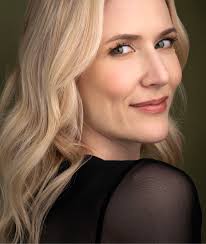
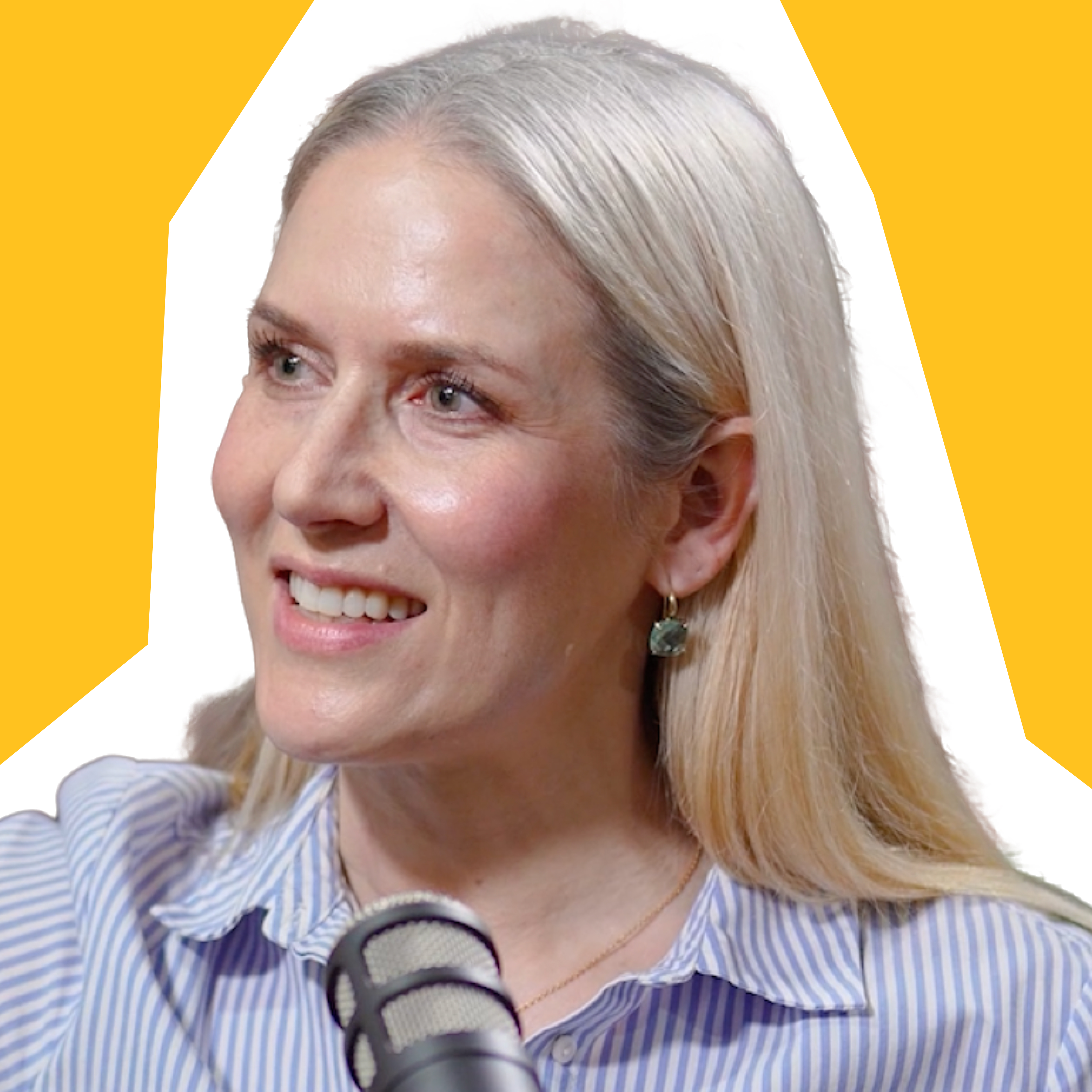
Alicia Love Read is an actor, producer, and vertical microdrama consultant whose screen work has reached over 200 million viewers across platforms including ReelShort, GoodShort, and DramaWave.
Footnotes
Episode transcript
Alicia Read [00:00:00] When I came back, I found that the opportunities that had been afforded to me when I was younger were no longer. And I was ready to step away. I was like, maybe this is my sign, you know? It's okay, I don't need to do this. And then vertical microdramas happened for me and they happened really rapidly. My little business brain was like on fire because I was, like, oh, I've been here before. I've in the disruptive, innovative lane. I know what's coming. And so I got very excited about that opportunity. And not just for me, this is sustaining people. People are working. People are work everywhere. You know, like from a sustainability business, economics, professional, like I knew that there was something there that I could really help sustain livelihoods and probably leverage, you know, in a way to start having conversations that I wanted to in rooms that I want to, that I couldn't get into before.
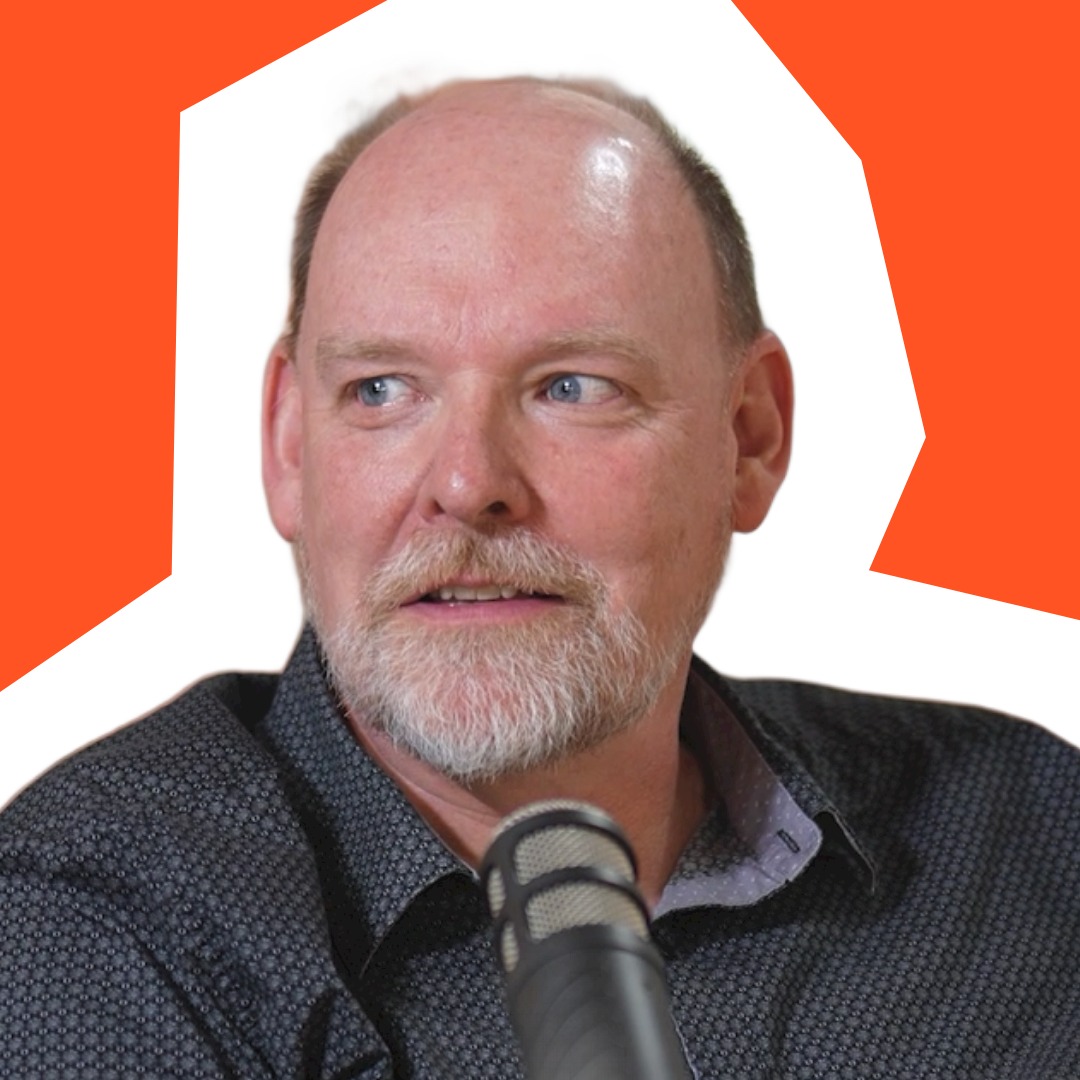
Mo Dhaliwal [00:00:59] Welcome to HiAgency, igniting conversations with inspiring people, leading transformative change. From the Egyptian passion plays first performed about 4,500 years ago, to the soap operas that dominated TV for decades, and through to the current moment where stories are written and performed for a variety of streaming services, human beings love drama. We're here for the melodramatic cliffhangers that kept people glued to the screen for so many decades, except now they're filmed for smartphones and watched during coffee breaks. It's your favorite show, compressed into 90 seconds. And imagine watching a hundred of those in a row, each one ending on a cliffhanger that keeps you drama scrolling for the next episode. This is the Wild West of vertical micro dramas, where werewolf billionaires fall in love, where secret marriages unravel and entire seasons unfold through your phone screen during your morning commute. And what started? In China during the pandemic has evolved into a $7 billion global phenomenon and is fundamentally rewiring how we consume stories. One minute can still hit hard, especially when it reaches hundreds of millions of viewers. Today, we're diving deep with someone who's confidently moved to this new frontier after a lifetime of drama, figurative and literal, actor, producer, and Vertical Microdrama Consultant. Alicia Reid has spent decades navigating the highs and lows of the entertainment industry. Her work bridges experiences as a luxury brand executive with this radical new form of storytelling. Alicia's work has reached over 300 million viewers across platforms. She now serves as executive partner at Type A Media and is co-founder of the Vertical film and short series alliance. She's praised by Harper's Bazaar for her ability to elevate special brands without sacrificing their identity. Alicia bridges artistry, technology and strategic storytelling to create moving moments. Welcome Alicia.
Alicia Read [00:03:17] Thank you for having me.
Mo Dhaliwal [00:03:18] Thanks for taking the time.
Alicia Read [00:03:19] What an intro.
Mo Dhaliwal [00:03:20] Well, I mean, what a, what a life, um, when we were prepping for this episode, I was checking out everything you've done online. Um, and it's a lot of really interesting and different things. And I also went down pretty deep into your LinkedIn, uh, not to sound creepy or anything. Uh, but actually found that we have some common spaces that we were in, uh not to date both of us right now, but like 22 years We Cross paths in Vancouver, right? Uh, that was, that's pretty cool.
Alicia Read [00:03:52] It is a small world.
Mo Dhaliwal [00:03:53] Is a very small world.
Alicia Read [00:03:55] And like we were just saying before we started rolling, you know, I'm so fascinated by the patterns of life. And I really think that we must mimic the patterns on the planets. You know, they have these orbits that you can trace and I really do think we do that as humans as well. I'm fascinated to see our intersections and how we come away and together.
Mo Dhaliwal [00:04:21] I mean, like things are feeling pretty cyclical to me, right? He's imagined my surprise when, you know, we were introduced and I was, you know, going through your life and your career and learning about you. And I'm going through all your work experience. And then to see mention of, um, sugar and sugar, like a beloved venue in Gastown from 2003, where I produced my 25th birthday with a friend of ours. Um, and you were working there.
Alicia Read [00:04:45] Yeah, that was there.
Mo Dhaliwal [00:04:46] Yeah, that's amazing. When does that happen? So that was pretty cool.
Alicia Read [00:04:50] That happens right here.
Mo Dhaliwal [00:04:50] Yeah, absolutely. Yeah. So, um.
Alicia Read [00:04:53] I
Mo Dhaliwal [00:04:54] I didn't think we were going to start the episode with mention of sugar and sugar, but we have.
Alicia Read [00:04:58] Started on a sweet note.
Mo Dhaliwal [00:04:59] Yeah, absolutely. I'm cool about it. So what brought you to that place? Oh my God. And what brought in the film?
Alicia Read [00:05:05] Oh, goodness. Okay.
Mo Dhaliwal [00:05:07] Does the stories have anything to do with each other? I think they all do. I think they all do.
Alicia Read [00:05:10] I think because I think, you know, life sometimes can seem random and chaotic, but I am a big believer that everything happens for a reason, whether it's preordained or fated or we're meant to learn certain lessons. But I think... So I'm 51 now and I have a lot of life to pull from. When I stand at sort of the mount, the top of the mountain of my life and I look back at the map I've sort of created, it's so clear to me the journey. You know, I had to do this in order to learn this. And then that took me here and then that took me to here and I wouldn't be here if any one of those things hadn't happened. So yeah, I do think they're all connected. You asked me, how did I end up at Sugar and Sugar and how did it end up in entertainment? Yeah. Well, I can answer entertainment first because I think that's sort of more, I grew up with two professional artists as parents. My dad was a classical musician and also an ivory scholar. I think he knew early on that if he wanted to be paid for his art, he had to be business savvy. So he became a professor. My mom was a performer, a-a- writer. She had a TV show when I was growing up. That was my first, uh, orient television.
Mo Dhaliwal [00:06:36] So it's in the DNA for sure then.
Alicia Read [00:06:38] In the DNA. And it goes quite far back, actually. You mentioned Egypt. This is going to sound totally weird and maybe random again, but my great grandfather was a circus performer in Egypt before he immigrated to the United States. Anyway, so it's in there. And Storytelling for me, I was always telling stories to myself. The world. I was writing scripts when I was like actually I have one. I just came across my dad gave me like a box of stuff and in it were some scripts that I'd written. I didn't realize he had them. But in the sixth grade I wrote a play and I remember making the and trying to convince. Principal at the time to let us put it on. She said no. We did it anyway in our basement. Beyond sort of the storytelling, you know, as like a profession or as a creative, like I needed an itch that I always had. I was always really aware that I was living in a story. I felt like I lived in a a story, I wasn't convinced that Alicia, whoever Alicia was, was just that. From a very young age, I really felt like, am I this body? Am I in this body, is this all that I am? I really didn't love being told what my story was. I think that that was really apparent to me very early on. I didn't like being told who I was, what I was what I liked, what i didn't, like what I believed.
Mo Dhaliwal [00:08:33] Do you have siblings? I'm going to explain why I'm asking that in a second, but like brothers, sisters.
Alicia Read [00:08:38] I have a sister who's about two and two and a half years younger.
Mo Dhaliwal [00:08:41] Okay, got it, because I was wondering if that was like an only child thing for a second because I had some other things growing up where I don't, you know, very constrictive environment. But I remember needing to do my own thing constantly, whether that was, like, school, I mean, I wasn't quite as ambitious and productive in the sixth grade as what you're describing of putting on theater productions. But I think the consultant was definitely in there because I used to create these book reports with like amazing title pages. And, you know, you fast forward 40 years and I think what we're doing today is just creating booking ports with amazing title pictures. Um, but similarly, it's, you know, I wanted the agency to figure out my own thing. And so if there'd be a class assignment assigned, I would be looking for the parameters and be like, well, is there a way to make this my own? Like they've asked for this, um, you know, in some cases it was like, okay, you know, an essay has been requested. Can I submit a poem instead, if it's on the same topic, right? So I was always looking to take the thing that was requested of me, but I had to somehow reinvent it to like feel like I had agency and I wasn't just, you know, fulfilling some obligation.
Alicia Read [00:09:50] To do color outside of the lines to read that kid.
Mo Dhaliwal [00:09:53] Um, I did quit a bit, um, and then I actually, I worried my teachers for a while because remember back in the day, we would have those Scantron tests. Like you'd fill in the things.
Alicia Read [00:10:04] I have a whole story about that, but maybe for today. Yes, yes, I do.
Mo Dhaliwal [00:10:08] I would get bored of the Scantrons because it just seemed so mundane to me. So I remember, uh, for like a year, you know, when that standardized test would show up, cause like I was good with homework, I would do my assignments, all the rest of it, but when my Scantron showed up, I had this like weird, um, kind of anarchist in me where I would purposely fill in the dots to like, you now make a picture.
Speaker 3 [00:10:30] No way.
Mo Dhaliwal [00:10:30] Yeah, I knew the answers, though it wasn't an issue, but I'd be like, no, man, fuck these guys. And I would just fill in these little dots to do my own little thing and submit it. And after a couple of those, I got pulled out and they wanted to figure out if I had a learning disability or whether I was gifted.
Alicia Read [00:10:48] Did you get put into the gifted program by the way?
Mo Dhaliwal [00:10:50] Um, they were, they we're still kind of figuring those out back then. Um, so briefly they were trying to figure out, and I don't think they ever did in elementary school, if I was, you know, had a learning disability or if I was gifted, um, I think that those are kind of averaged out, um but not, not then, um you know later on in like the ninth grade, there was like this really cool program where, you
Alicia Read [00:11:11] Called Gates by any chance.
Mo Dhaliwal [00:11:12] Uh, no, it wasn't gate. It was this thing that was done at our high school called, uh, ALM, this autonomous learner module, and it only ran for the ninth grade and I will talk about it for the rest of my life because it gave me back then the thing that I wanted, which was agency. Right. So we had this one period as part of our, our schedule. And there was like, I think 15 or 20 of us selected to be a part of it. And we got to pick our topic and then it was just self directed research and study and like experiments and like prototyping ideas. And you just got to pick your area and just explore it for the whole year.
Alicia Read [00:11:47] Very cool. That's so interesting.
Mo Dhaliwal [00:11:51] What's your story with Scantrons?
Alicia Read [00:11:55] I don't know if we want to have that conversation. Hey, I was in the GATE program. There's a Reddit thread. You can go read about that. I was living in the States at the time. I did live in Holland for a year when I was seven, eight, and the educational system I was in was very similar, where they gave us agency to, essentially our lessons were all self-paced. So we directed ourselves. It was very weird for me as a child, because we'd been living in, where was I living at the time? We lived in so many places, Victoria. Mm-hmm and So, you know, very small town. And I remember we couldn't write with pen yet. We weren't doing cursive yet. Like it was very restrictive. And then we went to Holland and all of a sudden, you know, uh, we were writing with pen. We were writing in cursive. Everything was, um, very self-directed. Um, in a very open society to, you know, like they talked about things that we didn't talk about here. You know, I'm very open about sex and all kinds of stuff. Um, appropriate, of course, but a very progressive society, which they are known to be. But I just remember how back to this whole being told who you are and what you are and what your capable of, what you're not capable of. So many times my teachers would tell me you're reaching your capacity. Like you really, you just need to work harder and you're fulfilling your whatever that is. And then to go to Holland and have the freedom to just learn as I wanted to. It was like I went from like. C minus student to A plus student. So interesting.
Mo Dhaliwal [00:13:43] Environment affects that so much.
Alicia Read [00:13:44] Oh my gosh, yeah.
Mo Dhaliwal [00:13:45] Like, uh, our elementary school in my hometown was positioned right across from a jail. So there was many times where I'd be like hauled into the principal's office and literally just like screamed at with like pointing across the street to be like, you're going to end up in there if you don't get your shit together. And I'd like, Oh my God.
Alicia Read [00:14:04] That they're very scary in there. Those are big words, even though they're small. Well, we do, we live, it's interesting to me, that we live in this society and this culture where, because it's both, I think. Turn mine off. I swear to God. Um, you know, we really are told who we are and what we are from, from the very beginning. Um, it's deeply ingrained in this, the fabric of what we live in. Um, and then we have, you know, phrases in our language, like he went to go look for himself or she's got it. She's gone to go find the one she wants to find the It's like We're constantly searching outside of ourselves for who we are instead of living in this environment where we can figure out who we that our identity is up to us and that it's not something we even really need to find. It's we are who we all along. I had a series of events throughout my life that sort of kept pointing me to that early experience when I was young of like, I know I'm not just Alicia. I know, I'm just in this body. I'm something bigger, I am something more and it's up to me to decide what that is and how I wanna express that and create my life from there.
Mo Dhaliwal [00:15:45] Well, I mean, you seem to be pretty courageous about exploring it. Um, cause I would say that, um, I'm definitely somebody that identifies with the thing that I'm doing a lot. So, you know, whether that was back in the day, you know, throwing parties at cool venues, or whether it was producing a festival and working in the arts or working in a previous agency or this one, I started identifying with the, and then you kind of reinforce and build an ego around it, right? Um, but one thing that I found interesting from looking at your experience was whether it was yoga or, you know, going to school later in life and, um, exploring becoming a clinical counselor or the work that you're doing in this whole vertical film space. Um, you don't seem to have an ego about it. You're just like, you're just trying shit and being like, let's do this. Now let's figure this out. Um, so there's still some sort of underlying drive of trying to figure something out, right? So what's the.
Alicia Read [00:16:40] What's the dry, what is?
Mo Dhaliwal [00:16:41] Yeah, what's the thing driving you?
Alicia Read [00:16:43] I experienced a lot of bullying and a lot of violence directed towards me. Even up into my, well, I still, I mean, we live in a pretty violent world, however you want to describe violence. But. Most of the bullying and the abuse that I experienced was telling me who I was and what I wasn't. So many you statements. Uh, if we personalize, excuse me, um, can be very, can create a lot of limitations in our lives. And I think I was very conscious at a very early age of what that looked like. Um, like how the adults around me manifested that. So a lot, I just, I don't know how I, how I was aware of it. I just know, I know I was, and I probably couldn't have I articulated it this way when I was a kid, I can now. But I saw so many people living in their limitations and terribly unhappy. And when I started to experience bullying outside of the home, because it was present in my home life, my mom was very instrumental in, you're asking a question, I'm gonna get there, so I'm answering it. Take your time, I'll answer it slowly. She was really, deeply instrumental in teaching me empathy and how to navigate. You statements, very difficult kinds of experiences and when you're told who and what you are. And she tried to teach me that through expression of self-love. And at the time I didn't really know what that meant. I knew what empathy was, cause I felt it from her. But I didn't really understand it from the love side. But I knew from her that love was the answer. And in order to love myself, I needed to know myself. And to know my self, I had to know what I was capable of. I had understand what my limitations were. Where they came from, and then what was underneath that, which was limitlessness. And so I found myself throughout my life, when I would go through these situations that were very challenging and painful, that the pain came from the limitation that I was associating with what I was experiencing. And then if I could find a way to remove the limitation, then I could experience expansiveness. I wondered about that expansive state. And there were different sort of levels of feeling that went around along with it. There was joy and excitement and happiness and there was some peace and, you know, there were just different levels. And so I think as I got older, I started to sort of put myself in these states of being that allowed me to sort of transcend all of those challenges. And I realized the more I did that, the more expansive I felt, the more. The more happy, joyful, excited I felt, the more I could do. The more I can do, the more it broke free from these limited places. So I was like, okay, well, I love the word impossible then. Tell me I'm impossible. Tell me my idea is impossible. I'm gonna challenge that and I'm going to make it happen. And when I do, I'm to show you that whatever you think is impossible isn't. And I recognize that there was such incredible power there to be able to help other people reflect that back.
Mo Dhaliwal [00:20:24] I mean, what you're describing is. Learning how to fully inhabit yourself. Um, is that what took you towards acting? Cause you know, if you're exploring so much of your own yourself, your identity, your expression, it seems interesting to be able to like step into and kind of inhabit other lives, maybe as I've never been an actor, so I imagine, you know I'm trying to figure out through metaphor what it might feel like, but is it like that, like you're inhabiting these other lives?
Alicia Read [00:20:51] It can be. When I was a younger person in the late 90s, when I was starting to establish myself in theater, I was terribly insecure and hadn't quite reached a level of ability to connect to all those parts of myself. And so if you'd asked me that question back then, I'm not sure I would have answered it the same way. I can answer that now very differently to say yes, of course, but we're doing that all the time in our lives anyways. Where we're who we interact with at any given moment, also. An aspect of ourselves. Like we're not the same with every single person ever. And that's part of how we connect, you know? It's how we relate to each other. It's we allow for space to be able to communicate and do whatever the task is at hand. But I certainly am more aware of that. And I think that makes me a more aware actor, which then when I embody a character, I'm able to do that in a much more aware state.
Mo Dhaliwal [00:21:57] Was there like a specific turning point or was it that, you know, early life, you enjoyed stories, you were a, um, young theater kid, um a young insecure theater kid shocker, um that, that just naturally progressed into acting or was there some turning point where, you know, some opportunity came up or some moment came up and you said, actually, I'm going to, I'll try this.
Alicia Read [00:22:21] Again, try this again, I think would be for me. Yeah, there was. And it was sort of a longer journey. But I mentioned to you that I went through this sort of needing to understand what that sort of empathy, love, peace was. And in order to do that, I had to understand myself and my... Who I was. And that when I could I felt very expansive. I'm trying to be eloquent and articulate here not lose you. When my mom tried to teach me self-love, I had to understand what love was first.
Speaker 3 [00:23:06] I didn't understand up to that point.
Alicia Read [00:23:07] Well, I think we all use language differently. Don't all use the same language the same way. Language can be very limiting because it has a beginning and an ending, a definition, right, it frames something. And so it can only be that, it can't be something else. And I'm not sure that love is that. The ancient Greeks had like nine different words for love to describe different kinds of love. But if you tell me you love me, and I tell you I love you, how do I know that we're feeling the same thing? I don't.
Mo Dhaliwal [00:23:38] And I come from a culture where that was never the norm, right? Nobody would say that it's like, love was an act. It's like you either made it felt and it was experienced. Um, but the idea of saying, I love you was like, it's a very recent invention.
Alicia Read [00:23:53] For your family. You know, it's interesting to me. I wanna go somewhere. But I just, on that note, I read once, I was really interested in midwifery at a particular stage in my life. And I read that when a woman is giving birth, she's in contraction, in labor. When she says, I love you, her cervix can dilate really quickly. There's something very energetic that happens in the body that expands. In 2019, I had a near-death experience. And it was, that was my turning point in many ways. It was also a returning point. But I found myself in... A place that was the most expansive I've ever felt. I was everything. I completely myself. I was everything and anything. I was me, but I was you. No beginning, I had no ending. There was no time, but it was all time. That's the only way I can describe it. It was perfectly black, but I could see everything. 360. And I felt the deepest love I've ever felt in this life. It is more real than this. And when I came back, this felt like the dream. It was dull. It was contained. And I think that was the moment, or I believe that was a moment, when I finally understood what love really was and how it was connected to that expansiveness. There was no limitation.
Mo Dhaliwal [00:26:07] What happened, do you mind me asking? Like what was the near-death experience?
Alicia Read [00:26:12] I was physically assaulted. I was strangled and I died. But I didn't. I mean, I'm here. And it also wasn't... I mean, it's still difficult to put into words. I mean this was in 2019, and it's still hard for me to even encapsulate it. But we don't die. Transition, we transform. And this was the kicker for me. And it sounds crazy because how could I ever, how would you ever know that what I'm telling you is true? Who I was in that place was who I am now, just without the belief systems, without the thoughts associated with those belief systems without the name Alicia, but I was still me. I still felt like me, just without all of that. There was no attachment to any of it. So when I think about, you know, why entertainment now? Why did I come back? Why did want to go back into acting? I think the stories that we, you were all telling stories constantly. I mean, that's what we do in life. We're architects of our own story and we contribute to each other's story. And I was a storyteller from a young age, but I think of it as kind of like the metaphor. It's, we're all here to tell stories and I think to learn from those stories. And so I'm very passionate about wanting you, and you guys, and... Um, as many people as possible to experience limitlessness here and now and learn how to craft your own story. And the crazy thing about, it's so meta, but like the thing about being an actor is that and being a producer and writer and all the rest of it, we have a tremendous ability to tell these stories and reflect them back at the people who watch them. So if I can step into that. And for one moment show you who you are or you could be without telling you who are, then I feel like I've really done my job while I'm here.
Mo Dhaliwal [00:28:47] That is such a... So that's profound. And this is where I'm feeling like I almost need to apologize because I guess maybe I'm getting cynical. But what you described is a really profound perspective around storytelling and connecting with people and what is really basic and fundamental to humanity, right? Like since cave paintings till today, we've been telling stories and capturing them and sharing them and transmitting them down. But when I hear smartphone in vertical format, it just seems so mundane. In comparison. Of course it does.
Alicia Read [00:29:18] Of course it does. Yeah, sure.
Mo Dhaliwal [00:29:19] Um, but you know,
Alicia Read [00:29:21] in a minute.
Mo Dhaliwal [00:29:22] But for a medium that's going to connect with the maximum amount of people. Like, yeah, that's a great medium. Um, but is that why, like, you just seem really passionate as passionate as you are about storytelling, which is described, um, you seem to be as passionate about vertical format for some reason, what is that reason?
Alicia Read [00:29:40] There's a few reasons. On a personal and professional journey level, when I came back to acting three years ago when my daughter was 17, and old enough for me to be able to venture forth, and when you're a working actor, that's your life. It's very difficult to, so I had the bandwidth to be unable to do that. When I came back, I found that the opportunities that had been afforded to me when I was younger were no longer, and it was really difficult for me, especially here in Vancouver, and now I'm American, so I've been LA and I've shot in LA and I could easily base myself there, but I was here, and we're a very risk-averse region. Yeah, let's talk about that too.
Mo Dhaliwal [00:30:27] City, province, country, yeah.
Alicia Read [00:30:29] And so I very quickly realized, wow, we don't build careers like we do elsewhere, particularly Hollywood, which is the nexus. And I was ready to step away. I was like, maybe this is my sign. It's okay, I don't need to do this. And then vertical micro dramas happened for me and they happened really rapidly. I was a lead and a supporting lead question. My little business brain was like on fire. Cause I was like, oh, I've been here before. I've in the disruptive, innovative lane. I know what's coming. And so I got very excited about that opportunity. And not just for me. I was looking at like 50 cast and crew and realizing, wow, this is sustaining people. People are working.
Speaker 4 [00:31:21] Mm-hmm.
Alicia Read [00:31:22] People are working everywhere, you know, like my goal was to be on these amazing network sets and here I am with network crew shooting down in LA and we're literally next door to Warner Brothers, like on location, looking at the lot through this window and there's Like, you know, that, Warrior Brothers is not.
Speaker 3 [00:31:39] That's it. Yeah.
Alicia Read [00:31:41] 10, 20 cars in the lot. Meanwhile, my art department's Emmy award-winning and like my hair and makeup's like general hospital, days of our lives, that. And I'm like, what is this thing? So, you know, from a sustainability business, economics, professional, like I knew that there was something there that I could really help sustain livelihoods and probably leverage, you now, in a way to. Start having conversations that I wanted to in rooms that I wanted to that I couldn't get into before.
Mo Dhaliwal [00:32:16] Yeah, cause it's different being at the cutting edge of something new that's coming versus trying to climb into something that is so saturated, right?
Alicia Read [00:32:24] Yeah, yeah. So, and you know, for 20 years I was in beauty, working with small beauty brands and helping them like get into spaces they never dreamed they could get into. So it was the same kind of thing that happened for me. I was like, oh, I can see this can happen and I can help a lot of people. And then there was, you know, there was another side to it, which was. This is a very different kind of a viewing experience. It's very private and intimate.
Speaker 3 [00:32:56] I were getting into it.
Alicia Read [00:32:57] But yeah, you're on your phone. This is not a group experience. You're not going to the movies together. You're having viewing parties together. You're watching these as a family group. You're watch this on your own, totally isolated. You're very private moments. Moments you might not admit that you would watch publicly.
Mo Dhaliwal [00:33:21] I hadn't thought of that.
Alicia Read [00:33:22] Yeah, so it's a very private viewing experience. And the top performing storylines are The Werewolf Villainer. I can't believe you said that. It's so funny. Have you watched them, by the way?
Speaker 3 [00:33:35] No, I haven't yet.
Alicia Read [00:33:37] Look up Omegaverse, or don't, but I'm warning you.
Speaker 3 [00:33:44] That's fantastic.
Alicia Read [00:33:45] Yeah, it's definitely a thing in this space. But the other top performing storyline is the bullied teenage girl or bullied young woman who gets the guy. She finds love. I typically play the villain. Think would have been the bully in high school, but it wasn't. Ironically, I was bullied. But I wondered, if that's the top performing storyline, then why is the audience still obsessed with it? Could it be that they are seeing themselves frozen in a moment of trauma, and that's their redemption arc, watching by proxy? That whole thing kicked in for me where I was like, okay, I got to help this audience demographic see themselves differently. Because if that's what's happening, then we have a really incredible opportunity to reflect back at these women, because they're mostly women, 35 to 65. See themselves how they wish they could see themselves now.
Mo Dhaliwal [00:35:11] So that's the opportunity of the format.
Alicia Read [00:35:13] I think so. I do think so, and I think that's always a way. It's certainly not. If you talk to people right now about what the business opportunity is, they're not going to tell you that's the business. They're going to be like, it's a $7 billion industry. It's predicted to more than double by this year, 2026, in legacy studios and broadcasters and we're consulting with my business partner Monica Dahlman and I was a prolific casting director, and by the way, way more advanced than I am in terms of, like... Giving me something to keep up with and keeping up with me. And she's amazing, so prolific. But no, I mean, if you talk to someone in the business space right now, they'll tell you this is the format that's here to stay, attention, capacity, condense it, deliver it, dopamine hit, dopamine hit, and let's sell some stuff while we're at it. But what's really happening is something a lot deeper than that.
Mo Dhaliwal [00:36:12] Because of what you're describing there, like that's the way I had first registered it right of a ripple format and you know, on the one hand, Screen time, what is it doing to our brains? That's a huge concern. Um, but on the other hand, it's like, well, the format's not going anywhere. Like we're, we're glued to these things. Um, so of course there's going to be content and, you know, we, we're creative beings and industry and people figure out how to do things differently, um, but what you're describing as the opportunity with a format like that hadn't occurred to me, the idea that because you're in such an intimate space, um I hadn't even thought of that. I hadn, this is probably the first time I'm thinking of. Vertical format as being intimate, because yeah, like, like you're quite locked in when you're looking at something on your screen and headphones in and people on their commute, you're quite locked-in and I don't think people are that locked in, whether they're watching TV at home or, you know, in a movie theater. So that sort of suspension of the outside world and being really deep into the story, but then seeing what opportunity comes out of that, like that's quite fascinating. Um, but that's definitely not what I think. On an industry level, people are looking for or talking about or the conversation. $7 billion. Oh my God, it's doubling right now.
Alicia Read [00:37:28] And that's just a conservative estimate based on what people are kind of projecting into what they sort of see on paper, which by the way, Monica will say she knows people who have seen the dashboards. I don't know anybody who's seen the dashboard. So because this is very, you know, the distribution platforms are apps and they're mostly IP intellectual property that's owned overseas, carefully guarded by, you know, the owners of these apps. Um, you know, we, we don't, I haven't seen a PNL. I don't know what somebody's profit and loss is on any of these things, unless I do one on my own. So I did actually, we did just, um, executive produce, God, executive produced, production managed and co-starred. I'm never doing that again. I know people say never, don't ever, never say never. But I probably will never do that again, that was intense. But, um. So we'll have, you, know, some. Insight in terms of analytics and reporting and we'll have a lot more back-end information. We did that one with Real Short, so that was the first Canadian Real Short original, which is very exciting, which means a lot in the space. It's like a Netflix or Amazon original, but in the micro drama space.
Mo Dhaliwal [00:38:44] So are you saying like the apps, like, is it like, like TikTok and stuff where you can't see what the performance is or, or, um, or you know, or Instagram, like you produce the content, but you can actually see how well it's doing.
Alicia Read [00:38:56] Yeah. So, you know, unlike TikTok and Instagram, where you have your own account within the app, and then you can see some of your own analytics on the back end, it doesn't work like that any. So these are, so the app the platform is independently owned, and they have their own IP that they're either producing in-house, or they are hiring service producers to produce for them. Got it. There's no ownership though. They own everything. Unless you do coproduction, which is now starting to become a thing because they're running out of titles. Real short alone wants to release like one to two new titles a day, you can imagine, to launch a platform. You need 100 to 150 titles in your library. You can't have five. And they're movie length, right? So they're big projects. So now we're starting to move into the coproductions, which then you do have more access, like I said, to the analytics. But generally speaking, you don't. Um, you know, so it's very difficult to know sort of really like what's making money, except that there are view counts and a perpetuation of a very particular storyline, which tells us what people are watching because it's all data informed, right? Um, and then back to the school, like, you know, the audience, uh, and what they want to watch. Versus, by the way, what they say they want to watch. There's some surveys now going around where the audiences are like, no, we don't like this and we want this and totally yes, except that they're watching it. So.
Mo Dhaliwal [00:40:32] No, I mean, there's always a difference between like how people respond, right? And what they say they want versus what the university says.
Alicia Read [00:40:39] So yeah, and if it's a private thing, right? It's like no one will ever know
Mo Dhaliwal [00:40:44] the behavior's gonna be different, yeah.
Alicia Read [00:40:46] Yah!
Mo Dhaliwal [00:40:47] Has there already been kind of like this house of cards moment in vertical format? Because like that exploded though, when it landed, because it was a combination of the access that the streaming platform provided, um, the whole notion of actually letting people for the first time, gorge themselves on the content. Cause it was, you know, the entire series was dropped and one fell swoop.
Alicia Read [00:41:07] Binge watch now.
Mo Dhaliwal [00:41:09] But it was also data-driven, right? Because between, you know, Kevin Spacey, you know, pre all of his drama, you know, the casting, the nature of the show, the arc, all of that was data- driven, right. And so you have this, for the first time, this crafted property land that is entirely produced based on Netflix's data of what, you know, they think viewers want need.
Alicia Read [00:41:34] That was Database? Yeah. I had no idea. Yep. Wow.
Mo Dhaliwal [00:41:37] And that was what was actually really kind of interesting with that moment was, you know, like the nature of how they distributed it was different, but it was also even the creation of the show, they went completely to, you know.
Speaker 3 [00:41:48] Hmm.
Mo Dhaliwal [00:41:49] These particular actors, these are the arcs. Let's try it.
Speaker 3 [00:41:53] Wow.
Mo Dhaliwal [00:41:55] Because, you know, Netflix money was a thing back then and you could just, you throw tens of millions of dollars at something and just, give it an experiment. We're obviously wildly successful but that shifted things even for Netflix at the time and they doubled down to that big, right? So in vertical format, from what you're describing of some of these narratives that are really resonating, that's why I was asking if it's had its household cards moment yet, or if it just in these larger themes that people are seeing themselves.
Alicia Read [00:42:20] Yeah, I think, I believe, so it's interesting. So the vertical microdrama really is an intersection of tech and entertainment, more so than just the streamers, but very similar, in that it is data-driven. It's on these apps. It's not new. So it's a format, right? It's like a movie. It's mostly like a Movie of the Week length, Almost feature length. Chopped up into one and a half to two minute episodes, 50, 60, to 80, and you watch the whole thing. The audience is also a consumer. So we have that weird intersection of audience and consumer behavior, which is also weird because we're consuming it. I'm gonna get around to answering your question about has it had its House of Cards moment yet? Right now, what we're watching is a particular genre. So we've got the format, which is part of it. That I just described that math. And then the genre, which is the micro drama, which isn't new, it's actually a telenovela, which has been around for decades, decades. And by the way, horrifically offensive, if you know anything about like passions or let's go look that one up too, when you do your deep dive. 2005, I think was like called the year of the break. In the microdrama space, I'm just referencing that because in the micro drama space, a lot of people who don't watch them talk about it like it's the most offensive content you've ever seen in your life. You know, you've got the billionaire werewolf, which is, I know that's very strange to wrap your head around. But even just the billionaire and they're, you know, throwing around their money and like all the tropes, we call them tropes this terrible things that people are doing to each other over exaggerated soap opera moments have existed for decades in the telenovela. So it's not new. Bye! Right now, what the audience is watching is primarily that. It's just micro drama. And anything outside of that space doesn't really work for the existing audience. That said, the formula itself, which is that, you know, the M.O.W. Broken up into, you now, the episode.
Speaker 3 [00:44:38] Movie of the Week.
Alicia Read [00:44:39] Movie of the week and broken up into those episodes. Each ends in a cliffhanger and it's very specifically written. It's so formulaic. Monica wrote a book, it's like 80 pages. Really it's so detail-oriented that you can take that format and you can plug anything into it as long as you use that format. So I don't, we haven't quite had the House of Cards moment yet because yes, they're writing to the format. But to what extreme? I don't know that we've seen yet. I think we're gonna see it this year, but sorry, I had to frame that for you to be able to answer that question. Because I do think we are gonna get there.
Mo Dhaliwal [00:45:22] This is sounding a lot more exciting and fascinating now. Cause again, I came in as like a little bit of a cynic to be like, well, yeah, you know, vertical format smartphones. It's going to be reals. I don't know. Uh, but this is, this is sounding pretty interesting. Um, you know I talked about how it's always going to be more interesting and exciting, uh, to be at the sort of front edge of something new that's, that's emerging. Um, why you? Like, w w what was it that, um, really kind of motivated you? To, to move it in this way, because you seem to have had an entrepreneurial streak that seems to be kind of a through line as well, and for what you described as your near death experience. Um, I mean, that sounds like a real motivator, like, you know, you wouldn't want anybody to go through what you went through, um, but I suppose there is some blessing in there somewhere for, for what you experienced, um I've got a close friend who loves the conversation around mortality, right? Where? For some people it was dark, they want to avoid it. Some people just like to kind of trivialize it a little bit because that's their way of, you know, overcoming the dissonance and being a little more comfortable with the fact that we're all gonna die soon. And he will tell me repeatedly and talks about it all the time that, oh my God, I'm gonna be dead soon. And I want to do as much as I can. And sometimes that gets him.
Alicia Read [00:46:41] Existential dread.
Mo Dhaliwal [00:46:43] But, but in almost kind of like a, like a productive and kind of beautiful way. Right. And it's like, you know, if we, if we go somewhere, he wants to take a minute to research, like the best brunch spot because
Alicia Read [00:46:53] to really experience.
Mo Dhaliwal [00:46:54] We're going to be dead soon. So let's, if we're here anyways, like, you know, let's not do the, uh, egg McMuffin at McDonald's. Let's like, let' go do the thing. Right. Um, and I really appreciate that actually about him. Uh, I can't say I have the same fervor, um, in my, in the back of my mind, somewhere, I still have the thing that says I'm going to live forever. So I do need to do something about that because I'm not, um. But it's such a motivator, right. And so, you know, for the near death experience that you had, I can see after that. It being a huge motivator for you to like, go out and even more fully express yourself, retry some of the things that you did early in life, but you're doing a lot of the stuff even before that though, right? Um, you know, the career that you had and working with beauty brands, uh, working in consulting, like beauty brands especially, we've had some foray into that realm, uh, through my agency, skyrocket, and it's not for the faint of heart, like it is a
Alicia Read [00:47:45] tough industry.
Mo Dhaliwal [00:47:45] Freaking tough industry.
Alicia Read [00:47:48] ...Retoxic.
Mo Dhaliwal [00:47:50] But there's obviously something there that is sending you into the spaces to say I can figure it out. You know, why you? Whether it was the beauty industry or now vertical film.
Alicia Read [00:48:04] Well, I go back to, you know, when I was quite young, when I was told all the time who and how I was or wasn't, and I just had this drive to like, prove that wrong for myself. And. I think to the furthest degree I could possibly go. And, you know, when I got into beauty, okay, I was beauty. I was gonna go as far as I could. Sitting at my kitchen table with my daughter crawling around underneath me, working with Vogue and Harper's Bazaar and even Marcus and Nordstrom, like however high I could get, it was like the higher it was and the more out of reach it was, the more I was like, oh, I'm gonna do it. I'm going to make it happen. I don't know if that's... Uh, ambition, probably, which I did inherit, my dad's very ambitious to his credit, um, drive, uh, the satisfaction of actually doing it. But I think also again, that like hitting that limitlessness where it's like, okay, what else can I do? What else can i do? And, um. Being able to come back to, you know, whoever it was that I was doing that for and with my client to say, no, you can have this. You can make this happen. Okay, you you're not going to do it on your own. I'll do it. Let me do it for you and then you can step in and you can do it." And as a mom to a daughter, because that's the other piece, I really wanted to show her that she could be that, she could have that, whatever it was in her life that she really wanted. And so, when it was time for me to be able to, when I had the bandwidth and she was old enough and we went through all kinds of stuff when she was little that I couldn't, I had to be there 100% for her. We went through a lot. When she was finally settled and I had the time to be able to go chase my true professional dream. I didn't hesitate. I really felt so strongly that I wanted to show her that she could do anything. That it wasn't region specific, that it was an education specific. That there was no limit to what she could have or do. It might not be packaged the way that she wanted it to be packaged. I didn't set out to become a vertical micro drama villain. Mind you, I won't be, because I'm gonna be union in a second, and then I can't act in these for much longer, but. Yeah, I think that's why. I think it just, you know, tell me it's impossible and then let's, I'm gonna take your hand and we're gonna realize that it's not.
Mo Dhaliwal [00:51:19] Is, uh, your daughter, is she, is she taking to it?
Alicia Read [00:51:22] She hates it. Yeah.
Mo Dhaliwal [00:51:26] Cause like I'm going to, and here's where I'm gonna challenge it because it's a, and this is from Malcolm Gladwell, but it's one of my favorite things to quote to people. It's like often, you know, the story is told that somebody made it despite adversity, but in most instances it's actually because of the adversity, right? Like you wouldn't wish it on anybody, but that's actually what does all the character formation. It's the crucible that forges you. So, what you're doing with your daughter in terms of... Encouragement, uh, I get that. I'm just curious of whether she's taking to it because, um, if she's 20, she's kind of getting to that age where you had kind of started kicking off your career in a couple of years after that. Um, and are starting at her new spaces and trying to figure things out. Uh, but you know, does she have that or, or is she kind of like, you know, mom, that's your deal. I don't need to be, you know. Doing, doing all this. I'm going to, I'm gonna go do something else over here.
Alicia Read [00:52:21] Totally, yes, of course she is, yeah, rebellingly crazy. But my daughter also, she's very old soul, when she was 16 she decided she was gonna go to work full time and she actually wanted to leave school and I was like, okay, look, you go work, stay in school, I'll pay for everything, don't move out, please, I'm not ready yet. She went to go work in the kitchen and for three years she worked full time, sometimes like 16, 17 years old, they'd have her scheduled like 10 to 14 days in a row. In a kitchen with fire and knives and really big guys. There's a poem in there. That little girl, she was just hell-bent on making it happen. And she wanted to become a sous chef. Like that was her thing. And she did it for three years. It was amazing. She got really good at it. So, and she's up to, you know, other things now, but I will say, no, she's not into the world of entertainment at all.
Mo Dhaliwal [00:53:25] No, but-
Alicia Read [00:53:26] But she's definitely, yeah, she's.
Mo Dhaliwal [00:53:28] From the story you're describing, the apple's not falling too far from the tree at all.
Alicia Read [00:53:32] And I don't think she, I think she's, she's at a stage in her life where she's still a bit insecure and a little self-deprecating and she can't look at herself and be like, yeah, I did all that stuff. She has to be in a really specific mindset.
Mo Dhaliwal [00:53:45] You've mentioned a couple of times of, um, you know, really kind of responding to being told who and what you are and what to do and all of that, and kind of, you know, moving against that. What do you, what do you wish that people knew about you when that was happening? Like, is there something that you wish they had asked, if there was some question that you even say you wish somebody would ask you so that you could say the thing that you want people to know about you or that you wanted them to know what you then.
Alicia Read [00:54:14] My first experience was being told who and what I was, what would happen at home. Um, and I remember saying to my father, and not that long ago. I really wish that you were curious about me. Like I really wish that you wanted to get to know who I was. And so I think. I wish that, you know. I had been approached with curiosity, which I think is an element of like true connection, you know. And this was for all of my aggressors from, you know, what happened at home to the kids at school and the girls who wanted to kill me and teachers who were like, it just, I mean, it went on and on and narcissistic husband and like just everyone. There always seemed to be this kind of through line which was The only way I could paraphrase it would be like, you're not telling the truth. Like you're a liar, full of shit. And I think it's because I truly loved. Don't know that I could have called it that, but like I was so open. And I think by being that open... Scared people because they wanted to feel open. They wanted to feel love. And I think that most of the people who were my aggressors didn't believe that they were worthy of love. I think that's actually what it came down to. So I threatened that. How could you love me? How could you possibly be that light for me? And so they pushed back against it. And I wish that they would have let me love them. Like I wish that they had been receiving. I think that's what I wish.
Mo Dhaliwal [00:56:45] What you're describing rings so true though. Um, but I would speak from the other side, which is that, um, yeah, like past relationships, um I'm not good at receiving it at all, so have been in relationships with like phenomenal people and like incredible in their own rights, but, uh, like too much kindness and like adoration, I would just be like, Oh God, you gross, get away from me. Um, and that is like the stupidest reaction in the world when you think about it. But it comes from a place of, you know, worthiness and where you're at in terms of, you know self-perception and your ability to receive these things. Right. Um, and what you're describing is like classically that because yeah, I mean, if I was to meet somebody tomorrow, that was like that open and gracious and loving, I'm not sure that, you know, on day one, I wouldn't, I would have any idea what to do with that. Um, And I think that's true for a lot of people, right? We just wander around with like all of these shields and guards up. And in many cases haven't. You know, necessarily given ourselves the permission to the extent that you have to even fully inhabit ourselves, let alone start even expressing that. Right. So, you know, I can't say, um, yeah, I can't see that surprises me, unfortunately.
Alicia Read [00:57:59] I'm sorry, but that you're able to articulate that is really remarkable. You know, we, again, we have these phrases going to look for yourself, going to look for the one, you complete me, all that stuff. We know that there's something missing. To know that there's missing means we need that awareness piece. Well, then if you've got that awareness piece and you start to examine that, then you realize there's something underneath it. Which is inside of you, you realize there is nothing missing. I think that's really where it starts it's just and you've talked about you know that adversity Malcolm McDowell quote I won't embarrass myself and even try to paraphrase it but like you know Is it the adversary that, do we need the adversary?
Mo Dhaliwal [00:58:50] Adversity.
Alicia Read [00:58:52] But something, you know, we. Something has to trigger that awareness piece for us to know that it's there, to then venture forth into it. However you want to describe unpacking, or untangling, or unlearning, we have lots of words for it.
Mo Dhaliwal [00:59:17] There's a, there's a vertical micro drum line there somewhere.
Alicia Read [00:59:21] Totally don't run.
Mo Dhaliwal [00:59:21] I'm just that piece of the loving and the, uh, not even like unwilling, but like the incapable of receiving, right? Cause I think that's actually, um, that's a pattern that I think a lot of people would resonate with. You mentioned on learning, so a lot of what you talk about is curiosity, right? It sounds like curiosity is your love language because you're a curious person and you want others to be curious about you. Here I am telling you who you are again.
Alicia Read [00:59:51] You're listening, though, but I don't like it at all.
Mo Dhaliwal [00:59:55] Is there something that you had to unlearn? Is there's something that Had kind of taken as almost like fact or a way of being that like later on you had to actually do a 180 on and say, oh, actually I had to, I had it wrong, but I'll learn a couple of things and then, and then move forward again.
Alicia Read [01:00:13] Many things, I think. But if I were to sort of summarize, I'm gonna try to. When I went to clinical counseling school, I know I shared this with you earlier, but one of my big takeaways was that we as humans are way more alike than we are. We're far more similar then we are dissimilar. In all this time that we spend hearing that you're so unique, just express your uniqueness, like don't fit in, which is the opposite of what I think you and I grew up with when we were younger. We're so much more alike. We have universal human needs and individual needs, but those universal needs are baked in to our DNA where we store trauma. If we experience something as trauma, by the way, two people can experience something, the same event and one person can be traumatized and the other person may not be. And it's in your brain, like it's your body. They can map it. But if it happens, it happens the same way for the same people and it manifests in the same. Thought patterns and actions, behaviors, which is fascinating to me. And so. As I, the cool thing about going to clinical counseling school is that you get to use yourself, if you want, as a subject, which I did. I got an A plus, by the way. So you get do kind of a deep dive. We always do, there's lots of ways in. And I came out of that really recognizing that we don't need to work, I don't need to work as hard as I thought I did. That connection, if we can connect, that's all I need. If we truly connect, we can have a conversation about anything. I can understand you. You can understand me. I don't need to have a speech ready to go. I don't eat a pitch deck. We're going to meet in the middle. And I think that was the game changer for me.
Mo Dhaliwal [01:02:35] What are you excited about next? The connection that you're talking about, it's becoming important everywhere. Um, like you're taking water from a different perspective, but I'm talking about it constantly just because of where the world and technology and everything's headed it's, um, like all that's going to be left to us as human connection again, and that's not a bad thing maybe, right? Uh, well, we'll see whether it's a bad think or not, but for now it looks like if everything else is automated and we're stripped of whatever, you know, value we thought we were creating in the world because AI is doing everything for us. Then what's left for us except human connection. Um, but on that basis, like, what are you, what are you excited about next?
Alicia Read [01:03:17] I'm excited for I think the singularity and not in the way that people talk about it where we talk about like, oh my God, the machines are going to take over. In all of my life experiences and studies and reading about duality and separation and attachment and non-attachment, all this stuff. I think we are now at this kind of precipice where we're starting to recognize how connected we are. Whether we like it or not, there is something that binds us, all of us together in ways that we don't understand yet that science can't even explain, but we are, I believe, one. And I'm excited that we can have these conversations and start to have experiences together that validate. And what that means for each of us as individuals in a human race together. I really, I have a hope for the future. And so I think to, I hope that's not too vague, but I'm excited about our singularity.
Mo Dhaliwal [01:04:50] I get that completely.
Alicia Read [01:04:52] What are you excited about?
Mo Dhaliwal [01:04:57] I'm actually, I'm also a very curious person. Um, so this is also going to sound, um, Vague. And what you said, I didn't take that as vague at all because actually that non-dualistic approach of kind of appreciating the oneness that we're all a part of, um and that's, that's the entire spiritual tradition that, you know, uh, my family and culture actually comes from. It's, it's that appreciation that everything is a part of this, this continuum. But on what I'm excited about. Is kind of feeding like these curiosities. So there's things that I'm doing in the business. There's a lot of opportunities that are opening up and different ways of doing things. So I am not even excited. I'm just kind of enthralled by everything that's happening. And there was a couple of years there where, you know, my work and what I was doing was starting to feel like a bit of a slog. And I think it was probably showing up in the way I was working with my team or, I don't know. Like, you know, clients never tell you whether they noticed this or not. But, uh, you maybe some of them felt that way, but I was mentioning to my team just recently that life is starting to feel like a video game again, uh both personally and professionally where actually, you know, it's not the thing that I'm trying to mitigate and get out of the way, because I just got to wrap this up and, you know, get it out of the way so that then I can live my life over here. It's actually, I've been having a lot more fun integrating all of it. So it feels like a video game, uh personally, professionally, I'm understanding that You know, we're here temporarily and this is to some extent kind of like this. The loser sort of game, this drama that's going to play out for a while. And, um, I'm fun taking part in them, having a lot of fun taking part in that now.
Alicia Read [01:06:37] Congrats. Thank you. That's exciting.
Mo Dhaliwal [01:06:41] What would be your advice to yourself if you met young Alicia from decades ago and she's about to go into the world and get some things started, what would you say?
Alicia Read [01:06:58] I have had that conversation with her. It wouldn't be with words. If I could really sit down with my younger self, I would just give her the biggest hug and just let her experience me now, holding her, protecting her, energizing her, and letting that space breathe. Because words can only go so far.
Mo Dhaliwal [01:07:39] War is Elimining.
Alicia Read [01:07:40] Become me.
Mo Dhaliwal [01:07:42] I've asked that question a lot and I think that's no offense to anybody else, but I think the most interesting response we've ever gotten. That's so cool. Um, Alicia, thanks so much for taking the time.
Alicia Read [01:07:55] Thank you for having me.
Mo Dhaliwal [01:07:57] You're doing a lot of different stuff. So if somebody wants to learn about Alicia Reed and all that you're up to, uh, where should they go?
Alicia Read [01:08:05] They can visit me on LinkedIn, they can visit my Instagram, which is kind of a smattering of everything. I'm on IMDB, I have obviously a package there as well, but probably LinkedIn is .
Mo Dhaliwal [01:08:20] I'm personally looking forward to seeing what you're starring in producing next. What's, what's next for you.
Alicia Read [01:08:26] Oh my goodness, actually I'm not at liberty to say what I have coming up, I wish I could. But we have a couple of really big projects that are coming up that I'll be EPing on and co-starring in as well. I'm shooting something in LA at the end of this month, The Vertical, and we've some really exciting sort of professional panels and kind of at a senior executive level that are emerging, um, that'll be, I, I gotta come back so you can ask me this in like two weeks. I just need two weeks for all the ink to dry.
Mo Dhaliwal [01:09:04] Come back, absolutely.
Alicia Read [01:09:05] Okay, yeah, there's a lot happening. I will just say keep your eyes peeled on Netflix, Amazon, Disney, Paramount, and Fox Studios.
Mo Dhaliwal [01:09:15] Oh wow. So everything. Okay.
Alicia Read [01:09:18] Yeah, the conglomerate.
Mo Dhaliwal [01:09:21] And I'm gonna go away and try to be less cynical and remind myself that actually the medium like a smartphone and vertical format is a very intimate thing. And that's actually presenting quite a interesting opportunity for us to connect with people. That's very cool.
Alicia Read [01:09:40] Thank you.
Mo Dhaliwal [01:09:41] Awesome, thanks Alisha.
Alicia Read [01:09:42] Thank you.
Mo Dhaliwal [01:09:45] Hopefully we've given you a lot to think about that was high agency like and subscribe and we will see you next time


.png)